An antique identifier by picture helps you turn a photo of an old or unusual item into a useful first answer: what the item may be, how old it might be, what details matter, and what kind of value range is realistic. For collectors, estate sale shoppers, resellers, and people sorting inherited objects, an antique identifier by picture can save hours of guessing.
Photo identification is not the same as a formal written appraisal. A certified appraiser may still be needed for insurance, tax, estate, donation, or high-value sale decisions. But for everyday antique and vintage research, a good photo-based workflow can quickly show whether an item is common, interesting, or worth deeper investigation.
The best way to use an antique identifier by picture is to combine a clear full-object photo with close-ups of marks, materials, and condition. That gives the app enough visual evidence to suggest a stronger identification and a more useful value range.
Table of Contents
What Is an Antique Identifier by Picture?
An antique identifier by picture is a tool that analyzes a photo of an object and compares visible features with known categories, materials, styles, maker marks, construction methods, and market examples. Instead of starting with a vague search like “old vase” or “wooden chair”, you begin with the actual object in front of you.
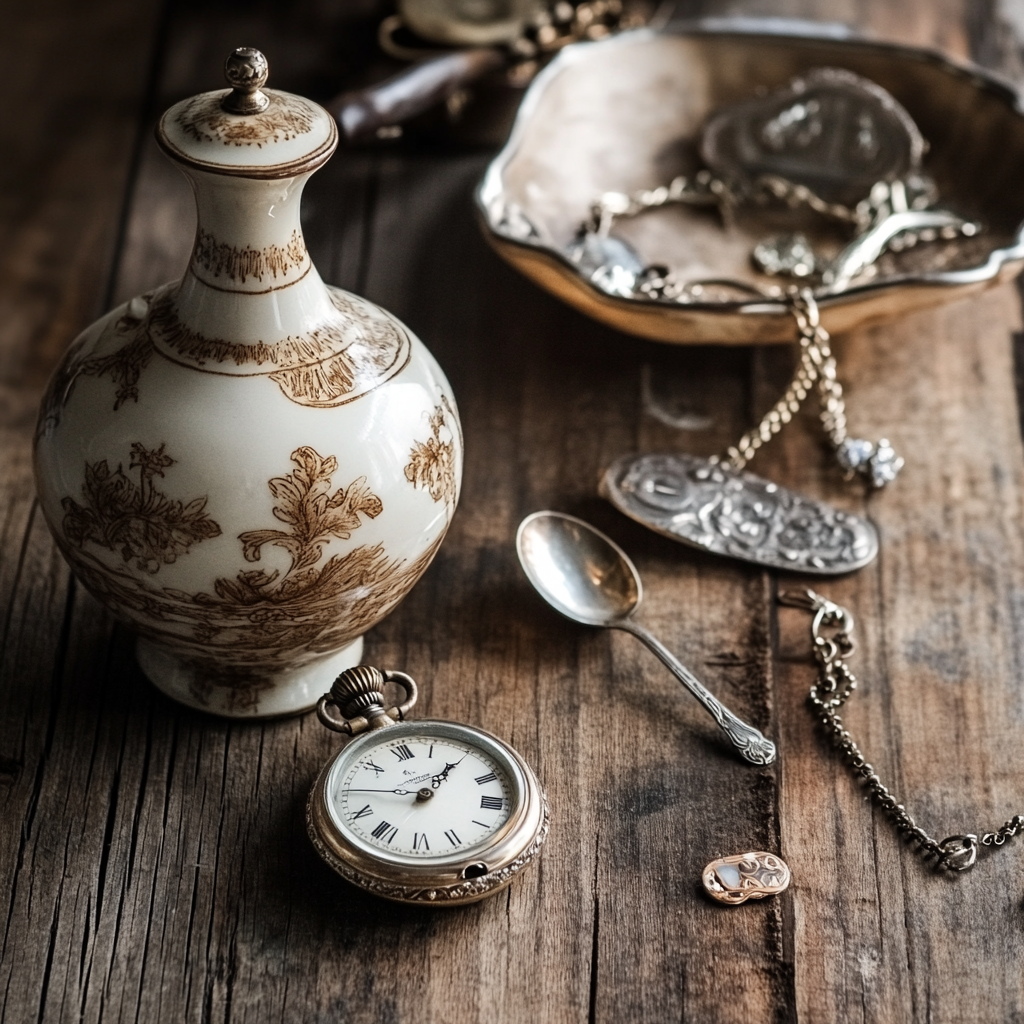
This matters because antiques are visual. Shape, decoration, construction, patina, hardware, markings, and proportions all carry clues. A porcelain mark on the base of a plate, a hand-cut dovetail on a drawer, a silver hallmark on a spoon, or a serial number inside a pocket watch can change the likely age and value dramatically.
Idar is built for this kind of first-pass antique research. You scan an item with your iPhone camera and receive an identification overview with likely category, age clues, material details, historical context, and an estimated value range. If your main question is price, read the antique pricing guide after you identify the item.
What Can You Identify from a Photo?
A photo-based antique identifier works best on items with clear visible features. Common categories include:
- Furniture, including chairs, tables, cabinets, chests, and desks
- Pottery and porcelain, especially pieces with visible base marks
- Silverware and silverplate with hallmarks or maker names
- Jewelry, brooches, rings, watches, and decorative accessories
- Clocks and pocket watches
- Glassware, bottles, vases, and pressed glass patterns
- Paintings, prints, frames, and decorative art
- Toys, dolls, tools, lamps, and household collectibles
Some objects are easier than others. A marked Wedgwood plate, a hallmarked silver spoon, or a watch with a movement serial number gives an antique identifier by picture much stronger clues than an unmarked decorative object photographed in poor light.
How to Take Better Photos for Antique Identification
The quality of the result depends heavily on the quality of the photos. Before scanning, take a minute to set up the item properly. Use bright, even light. Natural daylight near a window is often better than direct flash, which can flatten details or create reflections. Place the item on a plain surface so the object is not competing with a cluttered background.
Take more than one angle when possible:
- Full front view
- Back view
- Side view
- Bottom or underside
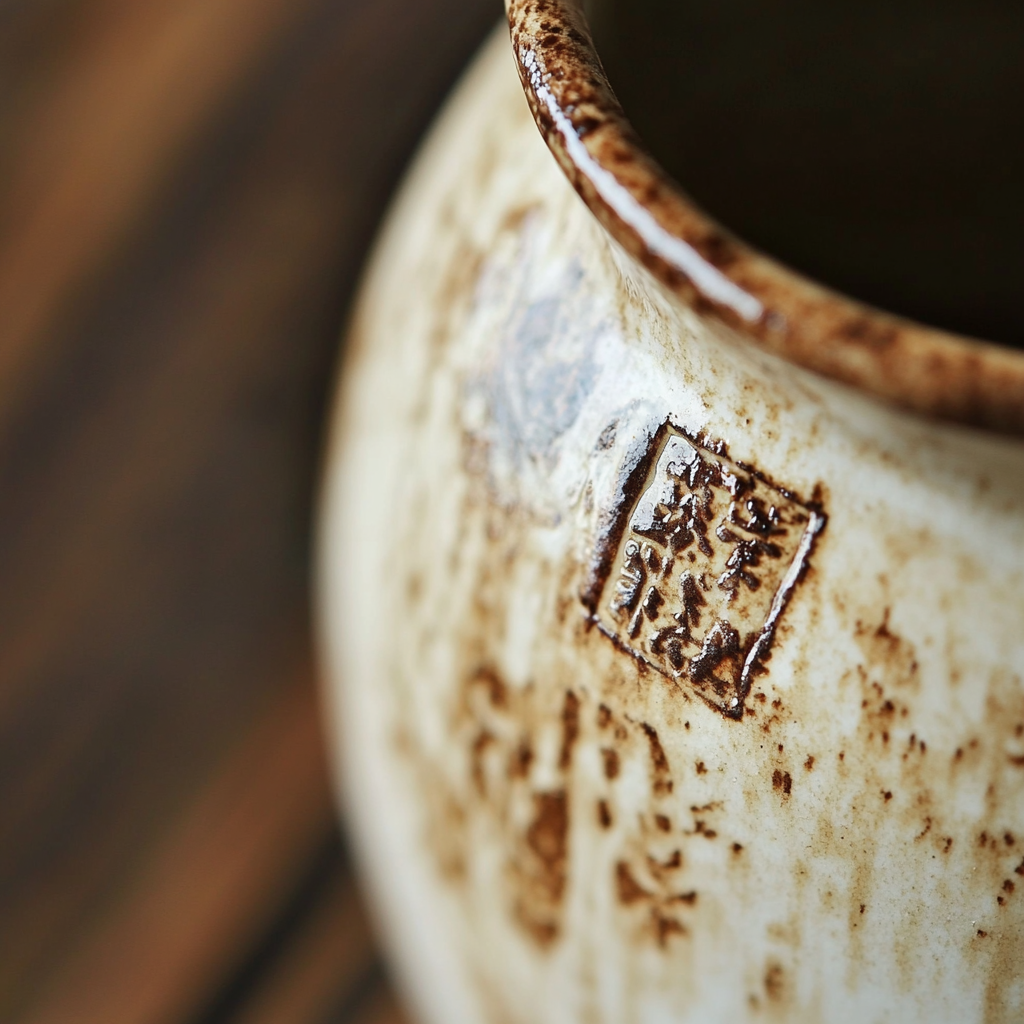
- Close-up of any mark, label, stamp, signature, or serial number
- Close-up of damage, repairs, or unusual construction details
For furniture, photograph the joints, drawer interiors, hardware, back panels, and underside. For porcelain and pottery, photograph the base mark clearly. For silver, photograph hallmarks in focus. For watches, photograph the dial, case, and movement if safely accessible.
If the first result from an antique identifier by picture seems too broad, take better close-up photos and scan again. Many identification mistakes happen because the image does not show the mark, underside, or repair details clearly enough.
What the App Can Tell You
A useful antique identifier by picture should not just return a name. It should help you understand why the object may belong to a category or period.
| Result | Why it matters |
|---|---|
| Likely object type | Helps you search with the right terms instead of guessing. |
| Approximate age or period | Separates antique, vintage, reproduction, and modern pieces. |
| Materials and construction clues | Material quality and construction affect both age and value. |
| Maker marks or signatures | Marks can connect an item to a factory, artist, country, or date range. |
| Estimated value range | A range is more realistic than one exact number for unique objects. |
Antique Identifier vs Antique Appraiser
An antique identifier and an antique appraiser solve related but different problems. An identifier helps answer: what is this item, how old might it be, what category does it belong to, what details should I inspect next, and is it probably common or potentially interesting?
An appraiser helps answer a more formal question: what is the defensible market value for a specific purpose? That purpose could be fair market value, retail replacement value, estate value, donation value, or an auction estimate.
For low to mid-value everyday pieces, a photo-based identifier may be enough to make a practical decision. For expensive, rare, legally important, or highly specialized pieces, use the app as a starting point and then consult a qualified specialist.
How AI Estimates Antique Value
AI value estimates are based on visual and descriptive similarities, category knowledge, and comparable market context. That means the result is best understood as a range, not a guarantee.
Good value research looks at sold prices, not just asking prices. A seller can list an item for $800, but if similar pieces regularly sell for $180 to $260, the asking price is not strong evidence of value. Auction results, sold marketplace listings, dealer context, and condition all matter.
An antique identifier by picture should be treated as a pricing starting point, not a final sale guarantee. It helps you decide whether to keep researching, list the item, ask an auction house, or contact a professional appraiser.
Common Mistakes When Identifying Antiques by Photo
The biggest mistake is relying on one blurry photo. A full object view is helpful, but the most important clues are often small. Marks, labels, screws, joinery, repairs, and material details can change the answer.
Another mistake is confusing age with value. An item can be old and still common. A newer vintage item can sometimes be more desirable than a much older but mass-produced antique.
People also confuse asking prices with real market value. Online listings show what sellers hope to receive. Sold results show what buyers actually paid.
Antique Identifier by Picture Checklist
Before using an antique identifier by picture, make sure your scan includes the details that matter most:
- Photograph the full item in bright, even light.
- Add a close-up of any maker mark, label, signature, or serial number.
- Show the underside, back, or inside of the object.
- Include damage, repairs, replaced parts, or missing pieces.
- Use the identification result to research similar sold items.
- Ask a specialist if the result suggests high value or uncertain authenticity.
- Save the scan in your collection notes so you can compare items later.
When to Use Idar
Use Idar when you need a quick, practical starting point: you inherited an item, you are at an estate sale, you are sorting a collection, you want to catalog objects before selling, or you want to know whether a professional appraisal may be worth the cost.
If you want to identify an antique by picture, start with a clear photo and scan it with Idar. Then use the result to decide whether the item is ordinary, worth listing, or worth taking to a specialist. For a broader manual workflow, see the guide on how to identify antiques. If you are searching for a local specialist, compare options in antique valuations near me.
Related Antique Identification Guides
- How to identify antiques by marks, materials, and age clues
- How antique pricing works after identification
- When to use local antique valuations or appraisers
FAQ
Can I identify an antique from one picture?
Sometimes, but multiple photos are better. A full view helps identify the object type, while close-ups of marks, materials, hardware, and damage improve accuracy.
Is an antique identifier by picture the same as an appraisal?
No. It is a first-pass identification and value estimate. A formal appraisal is a written professional opinion prepared for a specific purpose such as insurance, estate, tax, or sale documentation.
What should I photograph first?
Start with the whole item, then photograph the back, bottom, and any mark, label, signature, serial number, or unusual construction detail.
Can AI identify maker marks?
AI can help interpret visible marks, but marks must be sharp and well lit. Some marks are worn, partial, fake, or used across long production periods, so follow-up research may still be needed.