Searching for antique valuations near me is one of the most common starting points for people who have inherited old items, discovered something interesting at an estate sale, or simply want to know what their possessions are worth. The good news is that getting a reliable antique valuation has never been easier, whether you prefer working with a local specialist or using modern digital tools from home.
What Is an Antique Valuation?
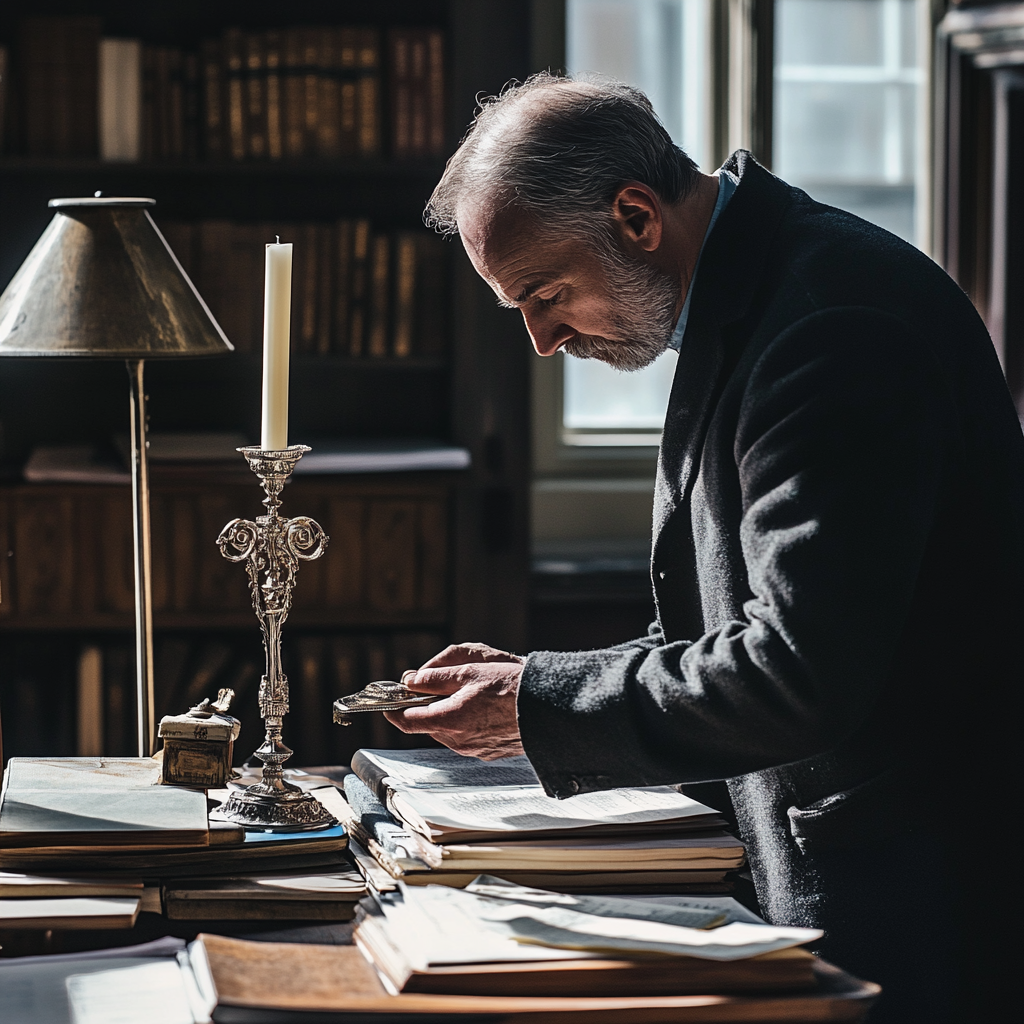
An antique valuation is a professional assessment of an object’s market value. A qualified appraiser examines the piece, considers its age, condition, maker, rarity, and current market demand, and provides a written or verbal opinion of worth. Valuations serve different purposes — insurance coverage, estate settlement, sale preparation, charitable donation, and simple curiosity all call for slightly different approaches.
It is important to distinguish between a valuation and an appraisal. In common usage the terms are often interchangeable, but formally an appraisal is a written document prepared by a credentialed professional for a specific legal or financial purpose. A valuation may be more informal — a dealer’s opinion, an auction house estimate, or an AI-generated value range. Each has its place depending on what you need the information for.
Local Options for Antique Valuations
Several types of businesses and professionals in most areas provide antique valuations, each with different strengths and limitations.
Antique dealers are often the most accessible starting point. Many dealers will look at pieces brought in and offer an informal opinion of value at no charge, though their perspective is naturally influenced by what they might be interested in buying. A dealer’s offer price will be wholesale — typically 30 to 50 percent of what they expect to sell the piece for — so it should not be confused with fair market value.
Auction houses provide free valuation days where specialists examine items and offer estimates of what they might achieve at auction. These estimates are based on deep market knowledge and recent sales data. The limitation is that auction house specialists focus on pieces suitable for their sales — very common items or pieces below a certain value threshold may not receive detailed attention.
Certified personal property appraisers offer formal written appraisals for a fee. These are appropriate when you need a legally recognized document — for insurance coverage, an estate tax filing, or a charitable donation deduction. Look for appraisers credentialed by recognized professional organizations who specialize in the relevant category.
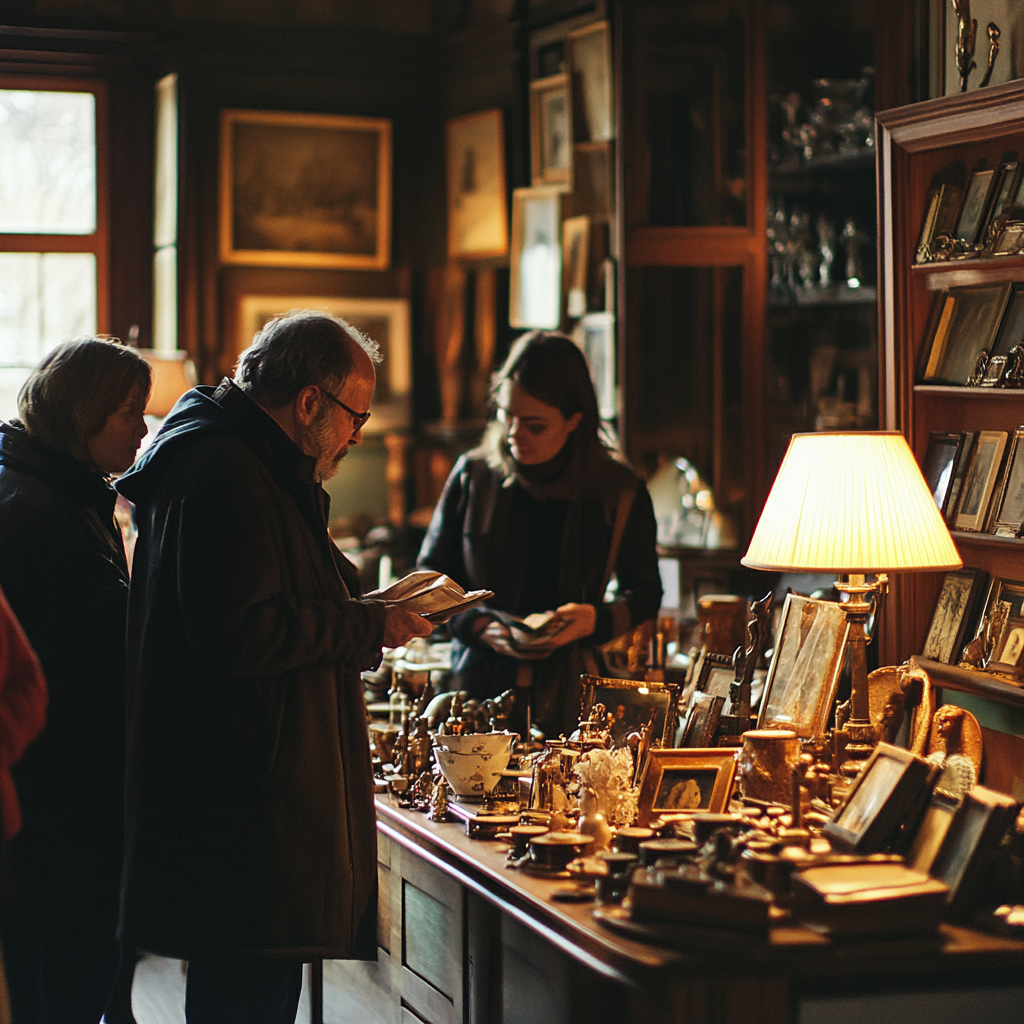
Antique fairs and shows bring together dealers with broad category knowledge. Attending a show and speaking with dealers who specialize in your piece’s category can produce useful informal valuations and identification help, even if you are not buying or selling.
Getting Antique Valuations Online
Physical proximity to antique specialists is no longer necessary for a useful valuation. Several online options now provide access to expertise regardless of where you live.
Online auction houses accept consignments from anywhere and provide free valuation estimates as part of the process. Submitting photographs and a description to a specialist produces a written estimate of auction value within a few days. This is one of the most reliable free valuation services available because it comes from specialists with access to current market data.
Online appraisal services connect you with credentialed appraisers who review photographs and provide written reports for a fee. These services vary significantly in quality and cost, so checking appraiser credentials and reading reviews before committing is worthwhile.
AI-powered antique identifier apps provide instant value estimates based on visual analysis and comparable sales data. While not formal appraisals, they give you an immediate starting point that helps you understand what category your piece falls into and what range of values to expect.
Using Idar for Instant Antique Valuations
Idar — Antique Snap Identifier — gives you an instant antique valuation from your phone without needing to find a specialist near you. You photograph any antique or vintage item and receive an appraisal overview covering the likely origin, age, materials, and estimated market value within seconds.
For people searching for antique valuations near me, Idar provides a useful first step that helps you understand what you have before investing time and money in a professional appraisal. Knowing that a piece is likely worth $50 versus $5,000 shapes your next move entirely — and Idar gives you that information instantly.
The app includes collection management tools so you can catalog multiple pieces and track your total collection value over time. All data is stored securely and accessible whenever you need it.
What to Bring to an Antique Valuation
Preparation makes a significant difference to the quality of a valuation you receive from a local specialist. Bringing the right information helps the appraiser work more efficiently and gives you more reliable results.
Photographs from multiple angles are useful even for in-person valuations, as they allow the appraiser to see details that might be obscured during a brief examination. Close-up shots of any marks, stamps, labels, or signatures are particularly valuable.
Any documentation you have relating to the piece should come with you — receipts, letters, photographs showing the piece in a historical context, auction records from previous sales, or family stories about its origin. Even unverified family history can be useful context that a skilled appraiser can evaluate.
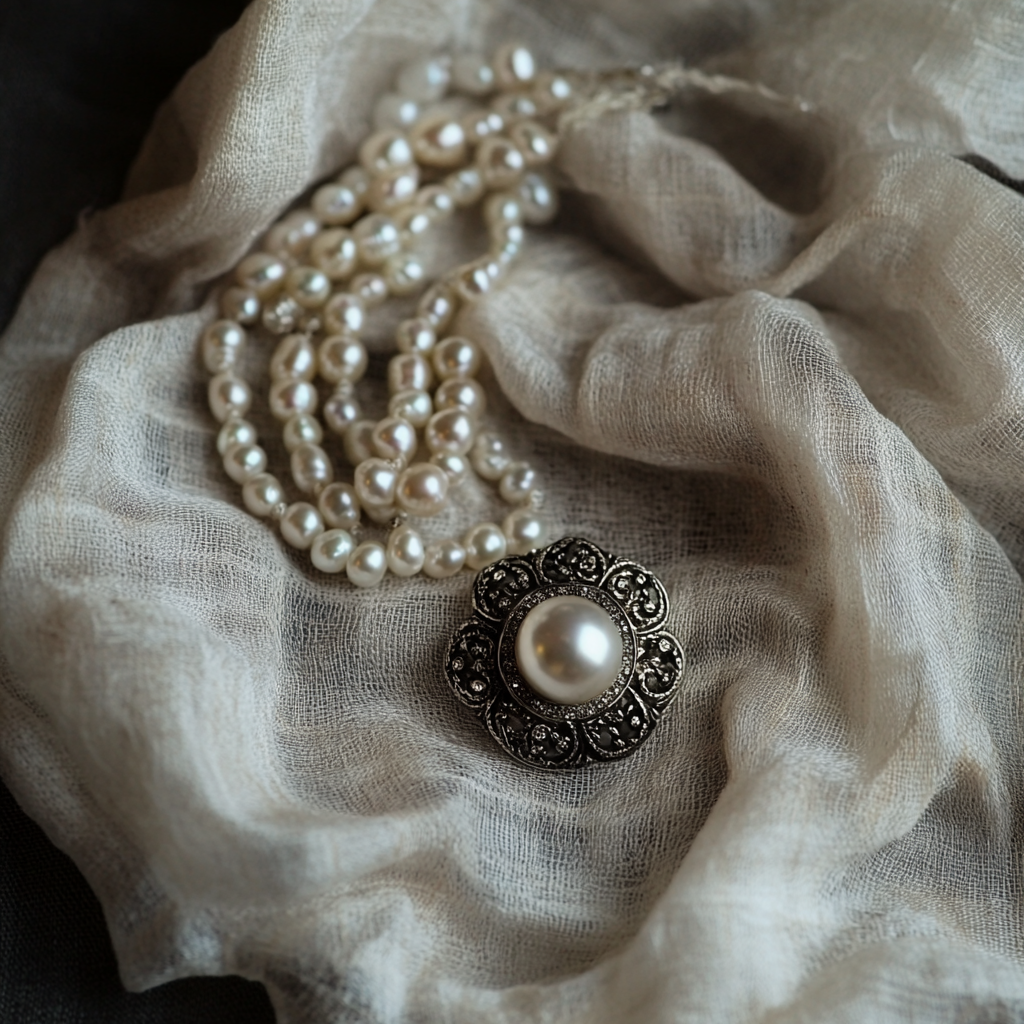
For furniture, knowing which rooms in the house a piece came from and any information about previous owners helps establish provenance. For jewelry and silver, any boxes, cases, or wrapping that came with the piece may carry maker’s information.
Understanding Valuation Results
A valuation result is not a guaranteed sale price — it is an informed professional opinion based on current market conditions. Several factors mean that the actual sale price may differ from a valuation.
Timing matters significantly. Antique markets move, and a valuation from two years ago may not reflect current conditions. Categories that have risen or fallen in collector interest, changes in the broader economy, and shifts in decorating fashion all affect what buyers will actually pay.
The selling venue affects the realized price. An auction valuation estimates what a piece might achieve in auction competition. A dealer’s valuation reflects what they would pay wholesale. An insurance valuation reflects replacement cost. None of these figures is wrong — they simply measure different things.
Condition assessment by different specialists sometimes varies. Particularly for furniture, where the line between acceptable patina and problematic deterioration involves judgment, two experienced appraisers may assess the same piece somewhat differently.
When to Seek a Professional Appraisal
Not every antique needs a formal professional appraisal. For pieces clearly worth less than a few hundred dollars, the cost of a formal appraisal may exceed the value of the information it provides.
Formal appraisals are worth pursuing when you need a legally recognized document for insurance, estate, or tax purposes. They are also warranted when a piece appears to be genuinely valuable — if initial research or an AI valuation suggests a piece might be worth thousands rather than hundreds, the investment in a professional opinion is easily justified.
For pieces of moderate value that you intend to sell, auction house estimates are often sufficient and come at no charge. For pieces you are keeping and want insured at proper value, a credentialed appraiser’s written report is the appropriate tool.
Building a Local Network of Antique Expertise
Over time, developing relationships with knowledgeable people in your local antique community pays dividends beyond individual valuations. Dealers who know your collecting interests will alert you to relevant pieces. Auction specialists who recognize your name give more careful attention to pieces you bring for estimate. Fellow collectors share knowledge about reputable appraisers and alert you to problematic sellers.
Antique clubs and collector societies organized around specific categories — silver, clocks, furniture, pottery — provide access to deep specialized knowledge and often host valuation events with expert speakers. Membership fees are modest and the knowledge access is significant.