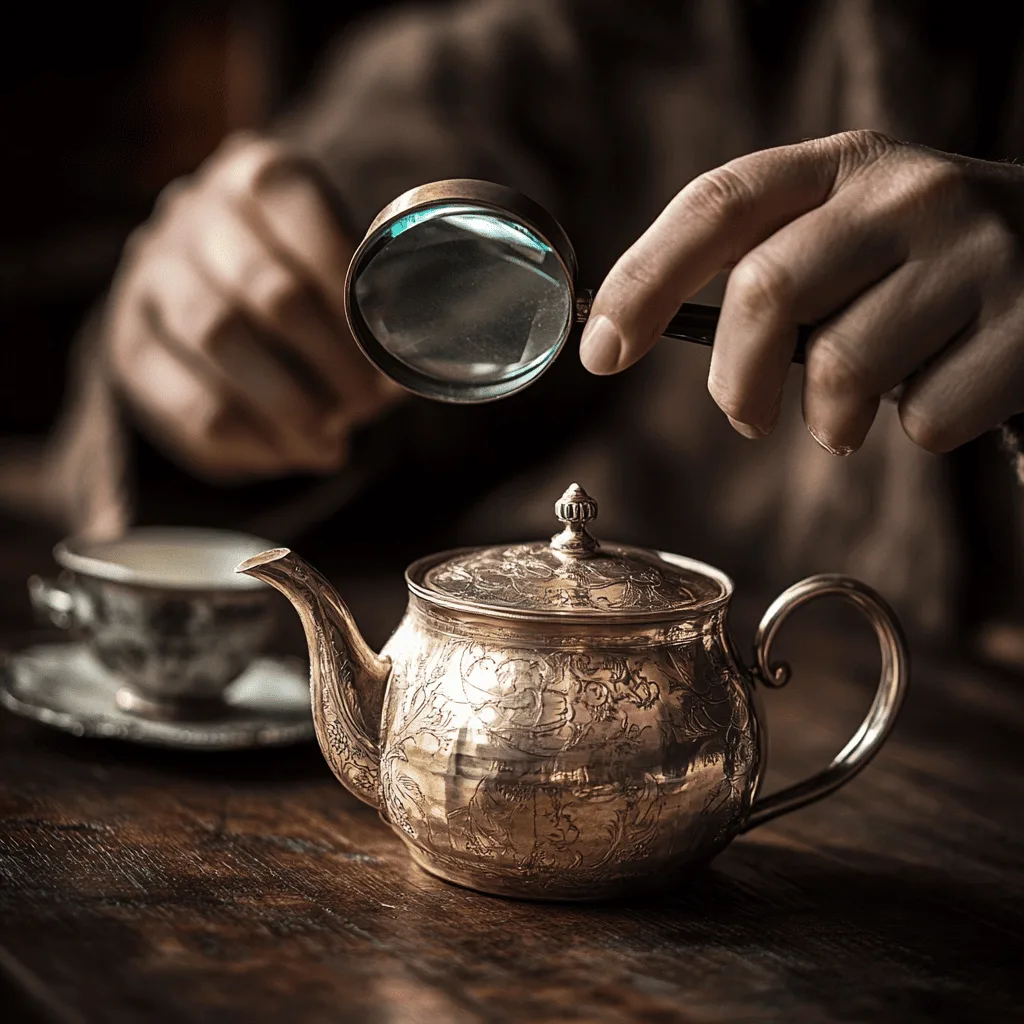
Learning how to identify antiques starts with a simple rule: do not judge an object by age alone. A useful identification checks the whole item, then studies the details that confirm or challenge your first impression.
If you want to know how to identify antiques before buying, selling, or asking an appraiser, start with maker marks, materials, construction, style, condition, and comparable sold prices. These clues work together. One mark or one photo is rarely enough.
This guide shows how to identify antiques step by step, including when a photo-based tool like Idar’s antique identifier by picture is enough for a first answer and when a specialist is worth the cost.
Table of Contents
Start with the Object Type
The first step in how to identify antiques is naming the category. Is the item furniture, porcelain, pottery, silver, jewelry, glass, art, a clock, a watch, a textile, or a decorative collectible? Each category has different evidence.
A porcelain plate may depend on a base mark and pattern. A piece of furniture may depend on joinery, wood, finish, and hardware. A silver spoon may depend on hallmarks. A pocket watch may depend on a movement serial number. The category tells you where to look first.
Check Maker Marks, Labels, and Signatures
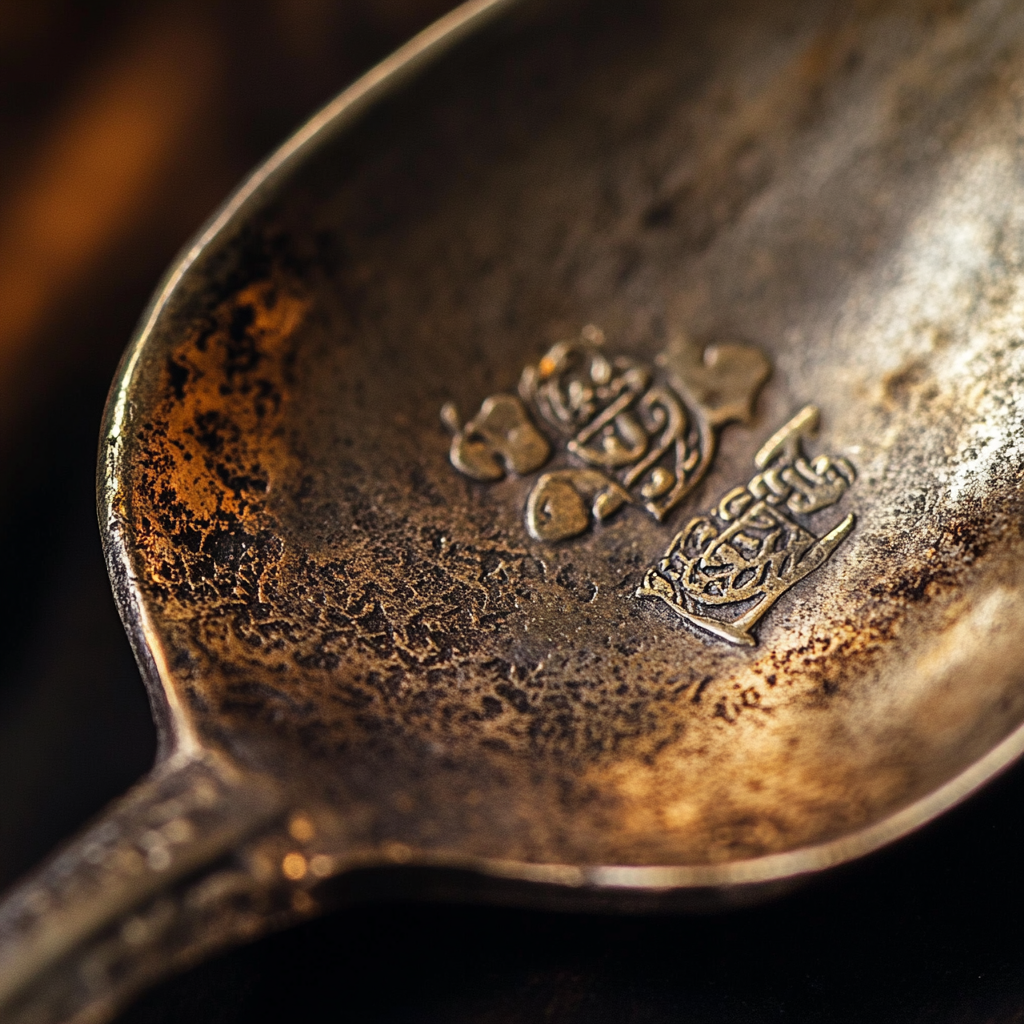
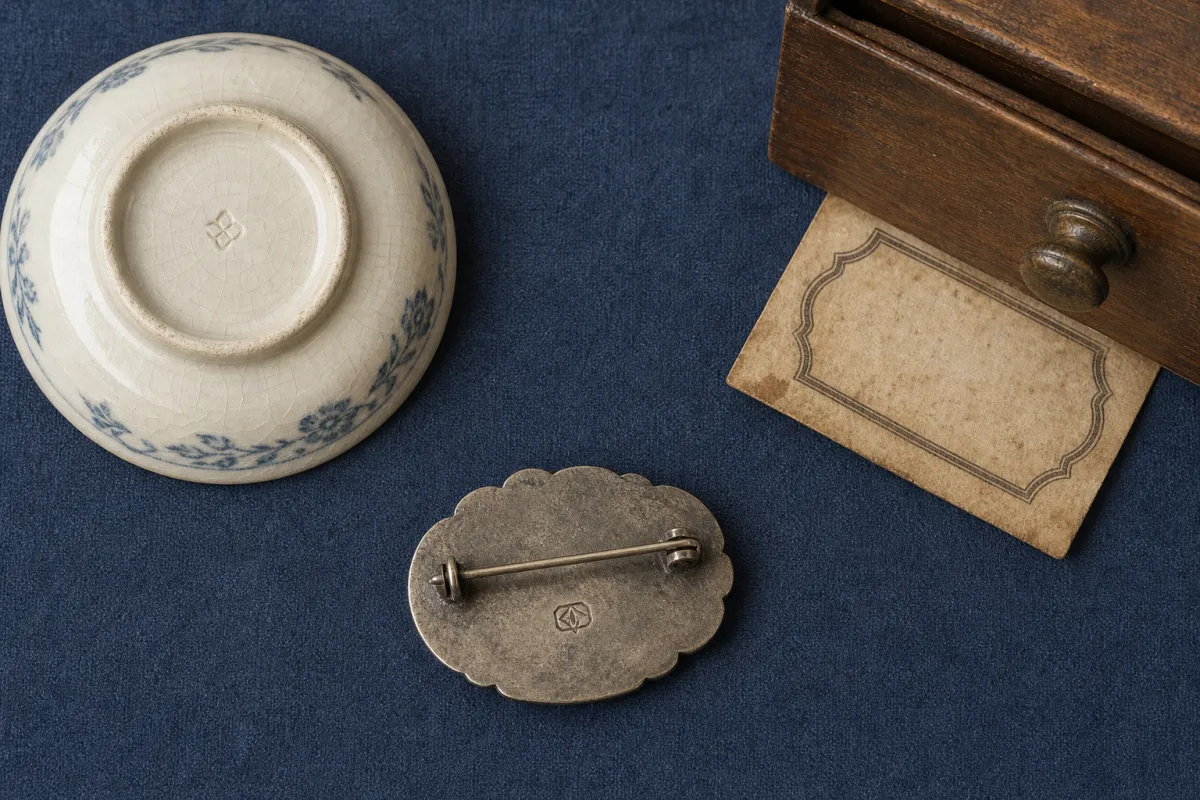
Maker marks are often the fastest path to identification. Look for printed marks, stamped marks, incised marks, paper labels, metal tags, hallmarks, serial numbers, artist signatures, and retailer labels.
Common places to check include:
- The base of ceramics and porcelain
- The underside of silverware handles
- Inside drawers and under furniture
- The back of paintings, frames, and mirrors
- Inside jewelry clasps and on the back of brooches
- Watch movements, not just watch cases
A mark should be read together with the object. Marks can be copied, worn, partial, or used for many years. If you are learning how to identify antiques from marks, compare the mark with material, shape, construction, and condition before trusting the result.
Study Materials and Construction
Materials can reveal quality, period, and sometimes region. Wood, metal, ceramic body, glaze, glass type, textile fiber, stone, ivory substitutes, and early plastics all provide clues. Construction can be just as important as material.
For furniture, check drawer joints, saw marks, screw types, hardware shadows, back boards, feet, and underside construction. For ceramics, check the clay body, glaze, foot rim, weight, and decoration method. For silver, check whether the item is sterling, coin silver, continental silver, or silverplate.
When people ask how to identify antiques accurately, construction is often the missing step. A style may look old, but machine-made details, modern screws, new glue, or replaced hardware can tell a different story.
Use Style and Period Clues
Style can narrow the date range. Victorian, Georgian, Art Nouveau, Art Deco, Mid-Century Modern, Federal, Empire, Arts and Crafts, and other design periods have recognizable forms.
Style is not proof by itself because revivals and reproductions exist. Compare proportions, decoration, materials, and manufacturing methods. A piece may be in an older style but made much later.
Evaluate Condition Before Value
Condition affects identification and value. Damage can hide key evidence, and repairs can change the market significantly. Chips, hairline cracks, refinishing, missing parts, replaced hardware, overpainting, corrosion, loose joints, and restoration should all be documented.
Do not clean, polish, strip, repaint, or repair an antique before identifying it. Well-meant cleaning can remove patina, damage surfaces, or reduce value.
Choose the Right Identification Method
Start with marks, materials, and construction when you need to work out what an object is. Use a photo workflow only after recording the details that a broad image cannot show. Keep price research separate until the object and likely period are reasonably clear.
| Your question | Best next step |
|---|---|
| What kind of object is this, and how might it have been made? | Use the marks, materials, construction, and period checks on this page. |
| What details should I photograph for a visual match? | Follow the antique identifier by picture guide. |
| How can I repeat the photo workflow on a phone? | Compare the workflow and limits in the antique identifier app guide. |
| What might the identified item sell for? | Move to the antique pricing guide only after identification. |
| Do I need a documented opinion for insurance, tax, or a sale? | Use a qualified specialist rather than treating a photo match as a formal appraisal. |
How to Identify Antiques by Photo
A photo-based identifier is useful when you need a fast first answer. Take a full-object photo, then add close-ups of marks, labels, underside views, damage, and construction details. Idar can help you turn those photos into an identification overview with likely category, age clues, material context, and estimated value range.
How to identify antiques by photo comes down to evidence quality. A blurry front view is weak. A clear front view plus a base mark, underside, label, serial number, or repair photo is much stronger.
Antique Identification Checklist
| What to check | What it can tell you |
|---|---|
| Object type | The right category and research path. |
| Maker mark or label | Possible maker, country, date range, or retailer. |
| Materials | Quality, authenticity clues, and value context. |
| Construction | Age clues and evidence of handmade or machine-made work. |
| Condition | Damage, repair, originality, and value impact. |
| Sold comparables | Realistic market value, not just asking prices. |
Pricing and Value Research
Once you know what the item may be, check comparable sold prices. Do not rely only on asking prices. A listing price shows what a seller wants. A sold price shows what a buyer actually paid.
Compare items by maker, material, size, pattern, age, condition, and selling venue. If your item is damaged, compare it with damaged examples. If it is restored, compare it with restored examples. For more detail, read the antique pricing guide.
For official identification standards and preservation context, you can also review guidance from the Smithsonian.
When to Ask a Specialist
Ask a specialist when the item may be valuable, when authenticity is uncertain, when legal or insurance documentation is needed, or when the category is highly specialized. A formal appraisal is different from a quick identification.
If you need a local opinion, compare options in antique valuations near me. If you only need a first pass, a photo scan may be enough.
FAQ
How do I identify an antique?
Start with the object type, then check maker marks, materials, construction, style, condition, and sold comparables.
Can I identify antiques by photo?
Yes, photos can provide a useful first identification, especially if you include marks, labels, underside views, and condition details.
Does old always mean valuable?
No. Age is only one factor. Rarity, maker, condition, demand, provenance, and quality all affect value.
Should I clean an antique before identifying it?
No. Cleaning, polishing, or refinishing can damage evidence and reduce value. Identify the item first.