
An antique price guide online is useful when you need a realistic value range before buying, selling, donating, or keeping an old object. The trick is knowing what a price guide can do, what it cannot do, and which details change the number most.
A single asking price is not the same as market value. Sellers can ask anything. Real value is closer to what similar items actually sold for, adjusted for condition, maker, age, rarity, size, provenance, location, and current demand. That is why a good antique price guide online should be used as a comparison workflow, not as a magic calculator.
If you have not identified the item yet, start with an antique identifier by picture or the broader guide on how to identify antiques. Pricing works best after identification.
Table of Contents
What an Antique Price Guide Online Can Tell You
An antique price guide online can help you estimate a range, compare similar items, and notice what buyers actually pay for. It can also show when a category has weak demand, when condition hurts value, or when a maker name creates a premium.
The best use is not to find one perfect match. It is to build a small group of comparable examples. If you have a porcelain vase, compare porcelain vases with similar mark, size, decoration, age, condition, and maker. If you have a pocket watch, compare the brand, movement, case metal, serial range, dial condition, and whether it runs.
Museum collections such as the V&A collections can help with identification and context, but they are not price guides. Market value comes from buyer behavior, especially sold examples.
7 Best Value Checks
1. Confirm the Exact Object Category
Before using an antique price guide online, make sure you know what you are pricing. A “ceramic bowl” might be studio pottery, transferware, porcelain, earthenware, tourist ware, or a modern decorative piece. A “silver spoon” might be sterling, coin silver, silverplate, or stainless steel with decorative plating.
If you are researching old hand tools, use the free antique tool price guide for a tool-specific checking workflow.
2. Read Marks Before Searching Prices
Marks can change the search completely. Look for backstamps, hallmarks, maker labels, foundry marks, patent numbers, signatures, paper labels, and stamped numbers. Search the mark separately before searching the object, because the maker may be the real value driver.
3. Compare Sold Prices, Not Wish Prices
Sold prices show buyer behavior. Asking prices show seller hopes. When possible, compare completed sales, auction results, dealer sold archives, and marketplace sold filters. A good antique price guide online should make this distinction clear.
4. Adjust for Condition
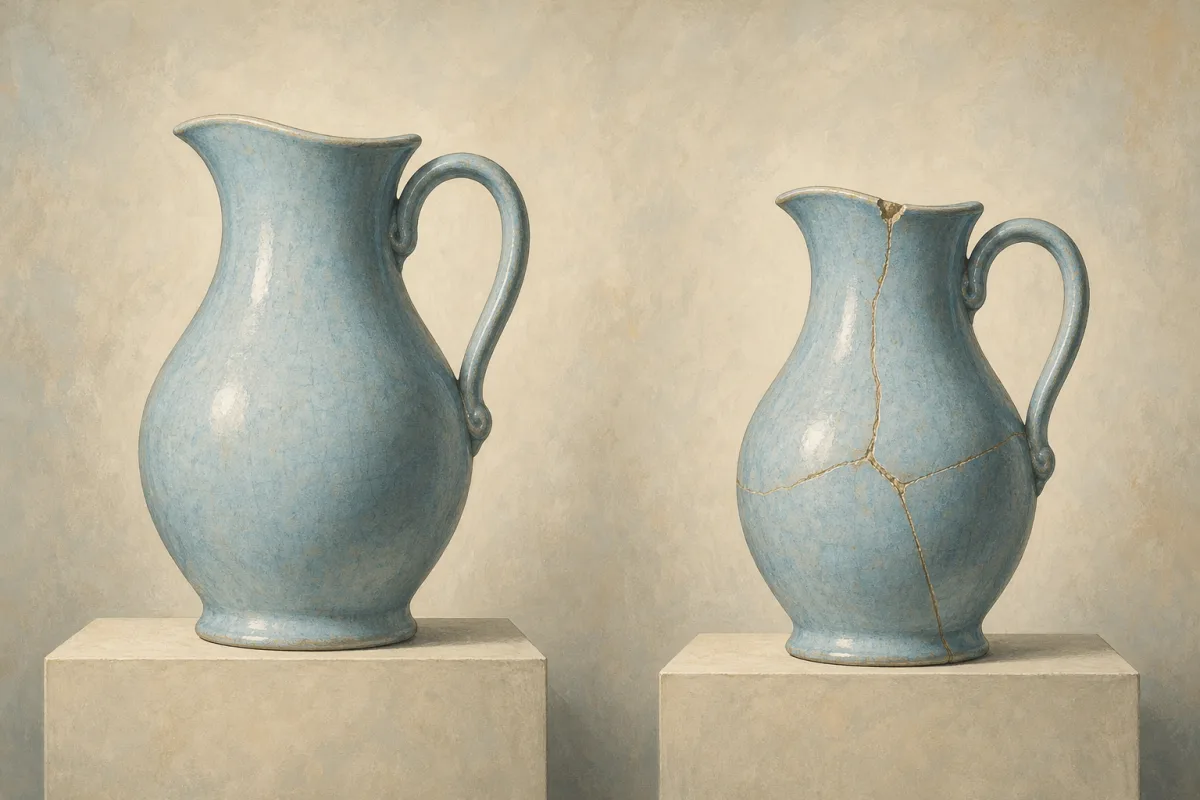
A chip, crack, repair, missing lid, replaced handle, refinished surface, shortened legs, rewired lamp, or cleaned patina can move an object into a lower value band. Condition is often more important than age. Photograph every flaw before you price.
5. Check Size and Completeness
Small differences can matter. A 10-inch vase and a 22-inch vase may not share the same market. A complete tea set, lidded tureen, matching pair, original frame, or box can sell differently from a single incomplete piece.
6. Look for Rarity and Demand Together
Rare does not always mean valuable. An object can be rare because few people want it. Strong value usually needs both scarcity and active demand. Use an antique price guide online to see whether similar items actually sell often enough to support the estimate.
7. Keep a Low, Mid, and High Range
Do not force one number. Build a low range for damaged or common examples, a middle range for average condition, and a high range for excellent condition, strong maker, provenance, or unusual form. This gives you a more honest estimate.
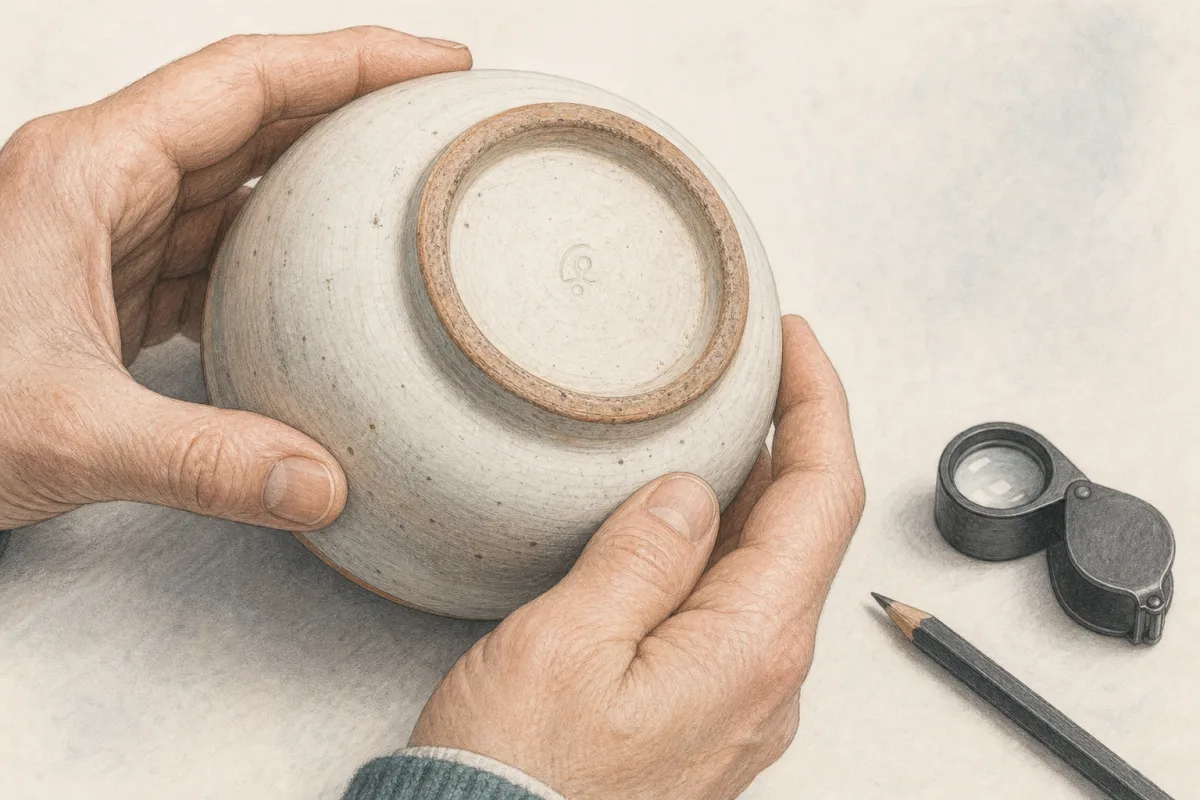
Asking Price vs Sold Price
Asking prices are easy to find, but they can mislead. A listing may sit unsold for months because it is too high. Sold prices are more useful because they show a buyer was willing to pay. If your only examples are unsold listings, treat the number as a ceiling, not a value.
This is where the existing antique pricing guide and an antique price guide online work together. The pricing guide explains the method; online price research gives examples. Use both before deciding what to list, insure, or keep.
Condition Adjustments
Condition adjustments are the part most beginners miss. A repaired ceramic item may be worth much less than a perfect one. A refinished table may lose collector interest. A watch that does not run may sell as parts. A painting with heavy overpaint may need specialist review.
When comparing prices, match condition as closely as possible. Do not compare your cracked vase to a perfect auction result unless you lower the range. Do not compare a reproduction to a period original. Do not compare silverplate to sterling. An antique price guide online is only as accurate as your comparisons.
When to Get an Appraisal
Use a professional appraisal for insurance, estate, tax, donation, divorce, legal disputes, or high-value sale decisions. Also get expert help for fine art, rare jewelry, important silver, Asian ceramics, historic documents, designer furniture, or items with unclear authenticity.
If you need a local expert, compare the options in antique valuations near me. If you only need a first-pass range, an antique price guide online can help you decide whether the next step is worth paying for.
FAQ
What is the best antique price guide online?
The best option is usually a combination: identify the object, check sold results, compare condition, and use specialist references for marks or makers. No single database is complete for every category.
Can I use an online guide for free antique appraisal?
You can use online research for a free first estimate, but it is not the same as a formal appraisal. It helps you understand the likely range before paying for expert review.
Why do similar antiques have different prices?
Condition, maker, rarity, provenance, size, location, photography, and demand all change value. Two similar-looking items can sell very differently when one has a stronger mark, better condition, or verified history.