Antique Value Guide
Antiques Roadshow Appraisers: How They Estimate Value
Learn how antique roadshow appraisers estimate value, what clues matter most, and how to check your item’s worth with a practical step-by-step guide.
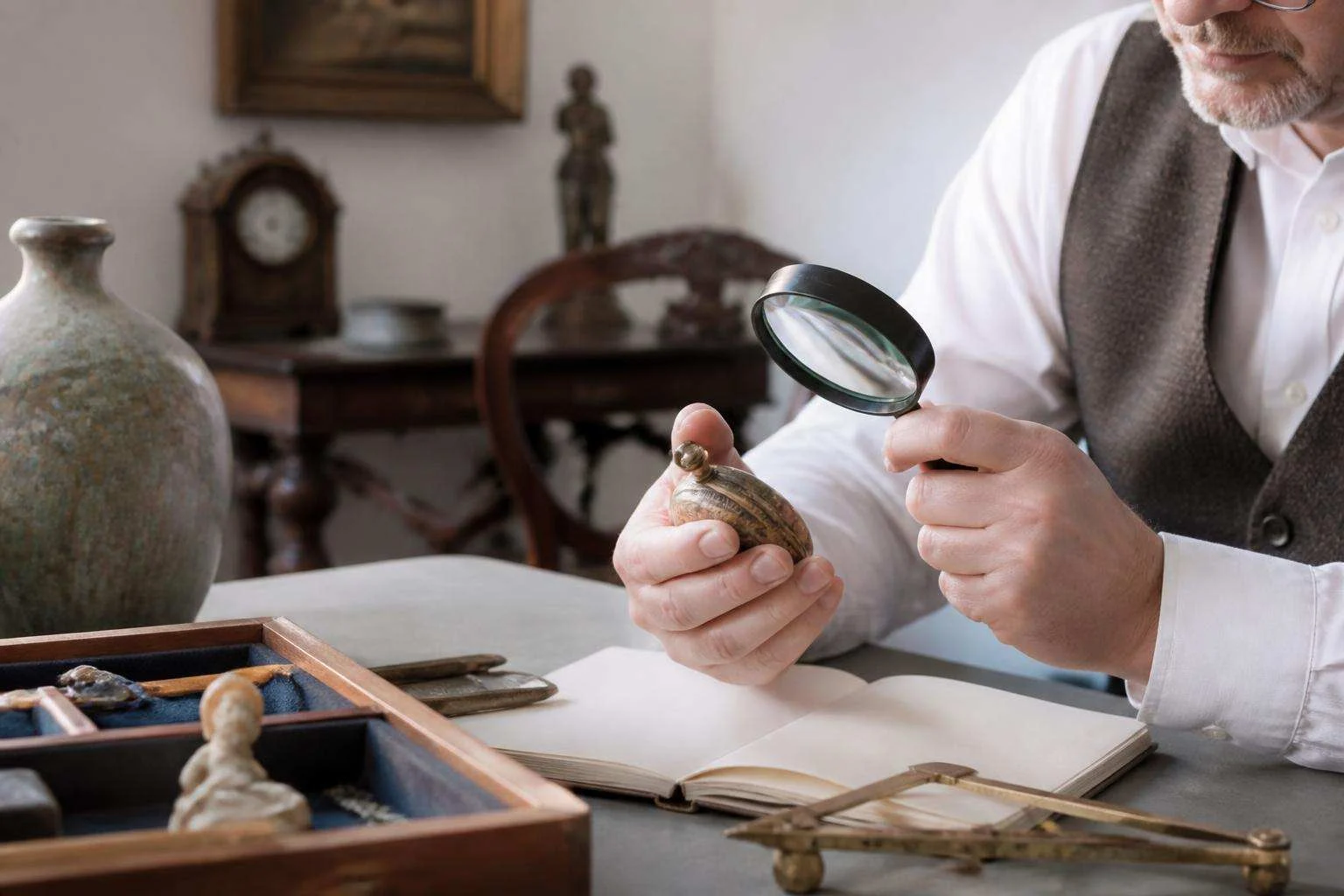
If you’ve ever watched Antiques Roadshow, you know the big question is rarely “What is it?” It is usually “What is it worth?” Real antique roadshow appraisers look at a mix of age, condition, rarity, authenticity, maker clues, and market demand before giving an estimate. The good news is that you can do a lot of the same homework at home before you seek an antiques road show appraisal or compare your item with recent sales.
This guide breaks down the same practical clues appraisers use, so you can make a smarter first estimate and avoid common mistakes. If you want a quick starting point, you can also use an antique identifier and value app to help sort what you have before going deeper.
1. Start with the basics: what exactly do you have?
Before any value estimate, identify the object as precisely as possible. A “vase,” “chair,” or “ring” is too broad. Antique roadshow appraisers narrow things down by category, material, period, and maker marks when available.
Ask these questions first:
- What is the object made of: wood, silver, porcelain, glass, paper, textile, metal, or a mix?
- Does it show signs of handcrafting, wear, repairs, or later alterations?
- Are there marks, stamps, signatures, labels, or serial numbers?
- Does the style match a known period or region?
If you are working on furniture, maker information can matter a lot. For a useful companion guide, see Furniture Maker Marks: 7 Best Antique Clues.
2. Check the strongest value clues appraisers look for
Not every old item is valuable, and not every valuable item looks special at first glance. Appraisers usually weigh the same core factors in almost every antiques roadshow appraisal.
Key value factors
- Rarity: Fewer surviving examples usually means stronger interest.
- Condition: Original condition matters, but so do restorations and repairs.
- Authenticity: Genuine period pieces generally outpace later reproductions.
- Provenance: A documented history can support value.
- Maker or artist: A known name can raise interest if the work is real and desirable.
- Market demand: Value changes with current buyer interest.
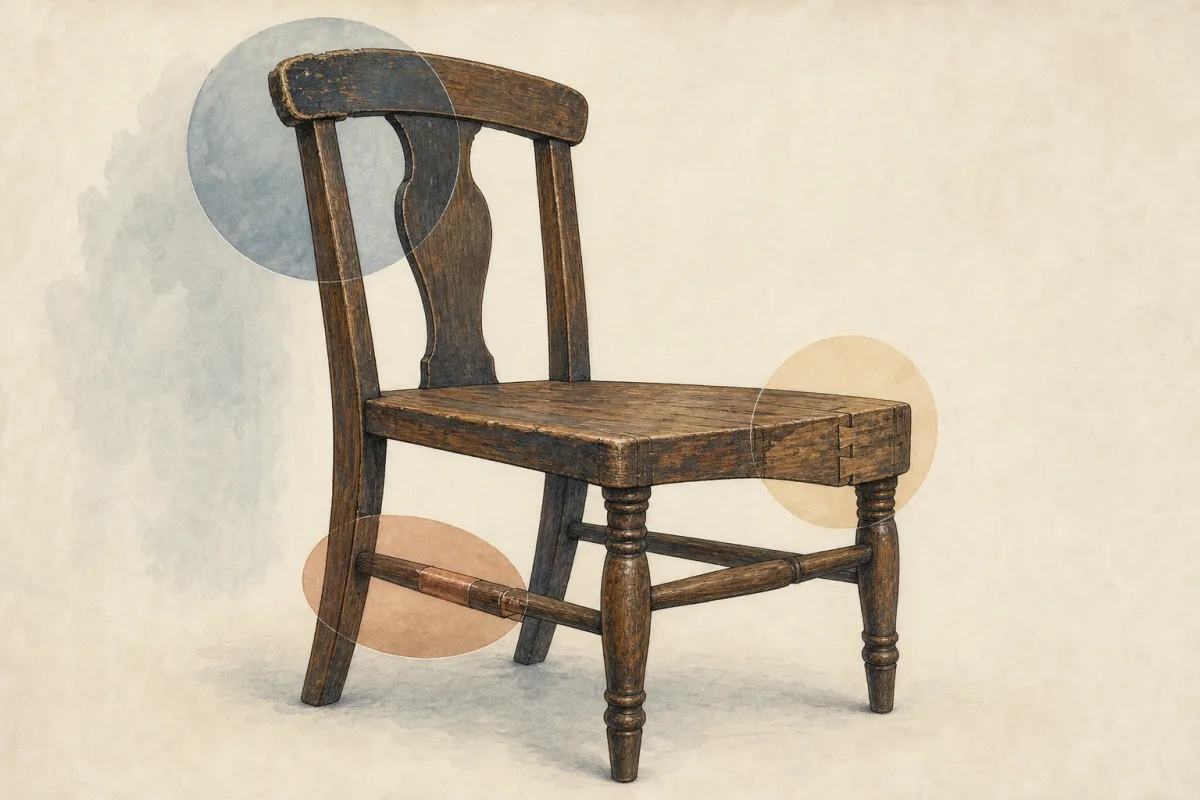
Condition deserves extra attention. A rare item with heavy damage can still be worth something, but chips, cracks, missing parts, replaced hardware, and polishing can reduce value. On the other hand, untouched original surfaces often help.
3. Use marks, hallmarks, and labels the right way
Marks are one of the fastest ways to move from guesswork to a more accurate estimate. But it is important not to force an ID. Readable marks are helpful; unclear or partial marks need caution.
For silver, hallmarks, purity marks, and maker stamps can help date and place the piece. If that is your category, start with Silver Hallmarks Identification: 7 Best Clues. For ceramics and porcelain, shape, glaze, decoration, and backstamps can be equally important. You may also find Pottery Marks Identification: 7 Best Clues useful.
A practical rule: a mark should support the rest of the evidence, not replace it. Many reproductions carry similar-looking marks, and some genuine antiques were made by multiple workshops with changing stamps over time.
4. Compare your item to known sale results
One of the most useful things antique roadshow appraisers do is compare your item to similar items sold recently. This is more reliable than comparing to a single asking price, because asking prices can be unrealistic.
Look for comparable sales with the same:
- material
- maker or pattern
- size and format
- age or period
- condition level
When checking value, try to compare “apples to apples.” A repaired example is not the same as a mint-condition one. A common pattern is not the same as a scarce variant. For broader pricing help, see Antique Price Guide Online: 7 Best Value Checks.
5. Special categories that often surprise people
Some items get a lot of attention on the show because they combine beauty, rarity, and story. That does not guarantee a high result, but these categories are worth a closer look.
Antique jewelry
Antique roadshow jewelry can be valuable for reasons that are easy to miss: period design, old-cut stones, gold content, maker names, and original settings. But jewelry value is highly dependent on condition and authenticity, and repairs can change the outcome. If you own a ring, brooch, bracelet, or pendant, look closely at clasps, prongs, stone settings, and any assay marks.
Decorative objects and ceramics
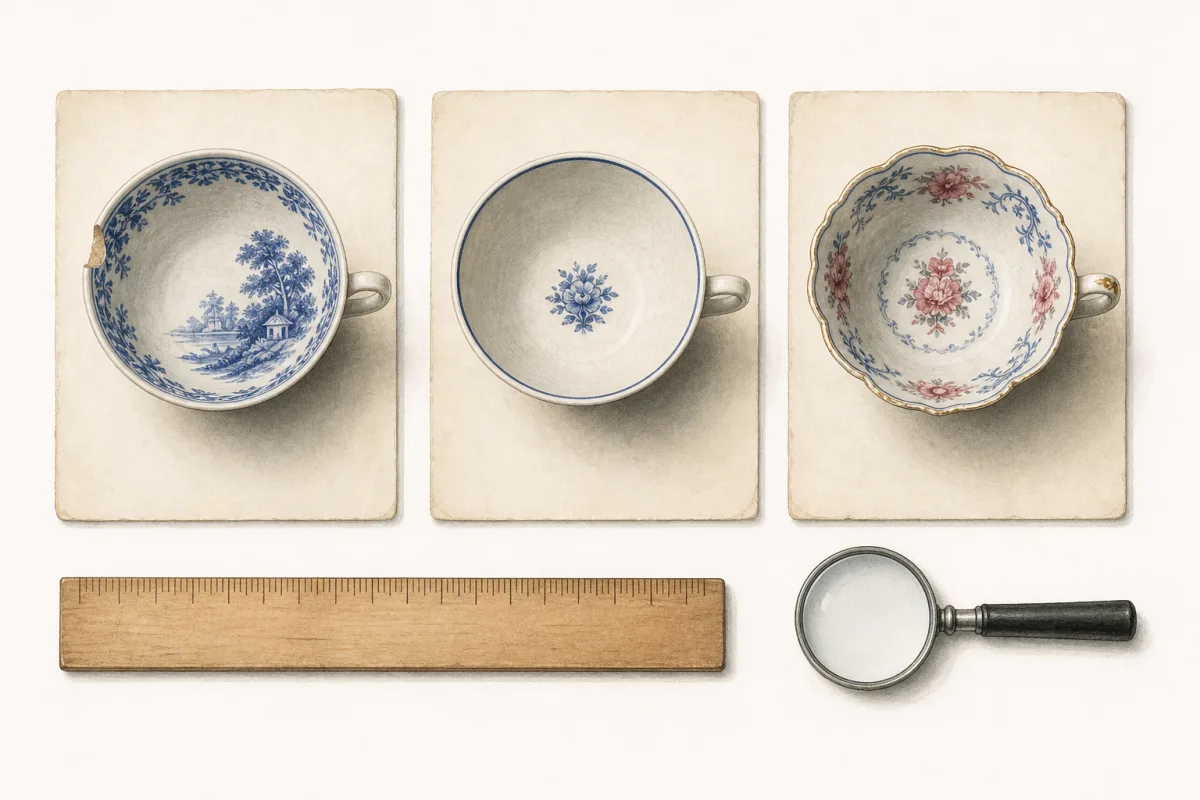
Vases, figures, and tableware may show strong value if they are from a desirable maker or period. However, restorations, hairline cracks, and overpainting can matter a lot. Pattern rarity and decoration quality often influence value more than size alone.
Furniture
Furniture values often depend on originality. Replaced feet, refinished surfaces, altered drawers, and mismatched hardware can reduce worth even when the piece looks impressive. A carefully made table with good maker clues may be better than a larger but altered piece.
6. What has shown up as “most valuable” on Antiques Roadshow?
People often search for the antique roadshow highest appraisal or the most valuable items on Antiques Roadshow, but there is no single permanent winner. Some of the most valuable items on the show have been rare fine art, important jewelry, exceptional furniture, historic documents, and one-of-a-kind objects with strong provenance.
That said, the “highest appraisal” stories usually share a few traits:
- the item was genuinely rare
- the condition was unusually strong
- the maker or origin was important
- the item had a compelling documented history
- there was real collector demand at the time
Names sometimes associated with memorable segments include appraisers such as Barry Weber and David Walker, but the specific item matters far more than the personality on camera. The show is a reminder that surprise value can come from ordinary-looking objects if the evidence lines up.
7. Quick value checklist before you seek an appraisal
Use this short checklist before you contact an expert, upload photos, or visit a dealer.
| Check | What to look for | Why it matters |
|---|---|---|
| Identification | Type, material, size, style | Sets the category for comparison |
| Marks | Stamps, signatures, labels, hallmarks | Can confirm maker or period |
| Condition | Cracks, repairs, wear, missing parts | Strongly affects value |
| Originality | Replaced hardware, refinishing, alterations | Original parts usually help |
| Provenance | Receipts, family history, old photos | Supports trust and context |
| Comparables | Recent sold listings of similar items | Anchors your estimate in the market |
If you are unsure what the object even is, photo-based identification can be a useful first step. You may also want to read Antique Identifier by Picture: 7 Best Photo Tips.
How to prepare your item for appraisal photos
Good photos help appraisers see the details that matter. You do not need professional equipment, but you do need clarity.
- Use natural light if possible.
- Take full-front, back, top, and bottom photos.
- Capture close-ups of marks, signatures, labels, and damage.
- Include a ruler or coin only if scale is needed.
- Keep the background simple and uncluttered.
If the item is stored in a cabinet, box, or drawer, photograph the storage context too. Sometimes packaging, labels, and original paperwork add useful evidence.
When a professional antiques appraisal is worth it
Not every old object needs a formal appraisal. But if your item could be rare, high-value, insured, inherited, or sold at auction, a professional opinion makes sense. That is especially true when the item has:
- fine jewelry or precious metals
- rare maker marks or signatures
- notable provenance
- damage that is hard to evaluate
- potentially significant market value
If you are still deciding where to start, a good middle step is a value check using a trusted tool and a few solid comparison sources. For people who want a broader local route, see Antique Valuations Near Me: 7 Best Options.
FAQ
Are antiques road show appraisals the same as market value?
Not always. An appraiser may give a fair market estimate based on similar sales, but the result can differ from retail asking prices, insurance replacement values, or auction estimates.
Why do antique roadshow appraisers sometimes give a wide value range?
Because value depends on condition, buyer demand, provenance, and current market trends. A range is often more honest than a single exact figure.
Can I trust a quick online estimate?
A quick estimate is useful as a starting point, but it should be treated as preliminary. Photos, dimensions, marks, and condition details all affect accuracy.
What if my item looks ordinary?
Many valuable items look ordinary at first glance. The best approach is to check marks, materials, construction, and comparable sales before dismissing it.
Is the app useful for identifying antiques before I ask an expert?
Yes. A photo-based tool can help you sort objects, capture details, and decide whether the item deserves a closer look or a formal appraisal.
Final takeaway
Antique roadshow appraisers do not rely on luck. They look at identity, condition, rarity, originality, and market evidence. If you learn to check those same clues, you will be much better prepared to judge what an item is worth and whether it deserves a deeper appraisal.
For a simple next step, try a photo-based identification and value check, then compare the result with marks, condition, and recent sales. If you want help getting started, visit the Antique Value Identifier app and pair it with the guides on AntiqueValue.co for a more complete review.
Try the Antiquevalue app
Use the app when you want a faster photo-based check before comparing details manually.