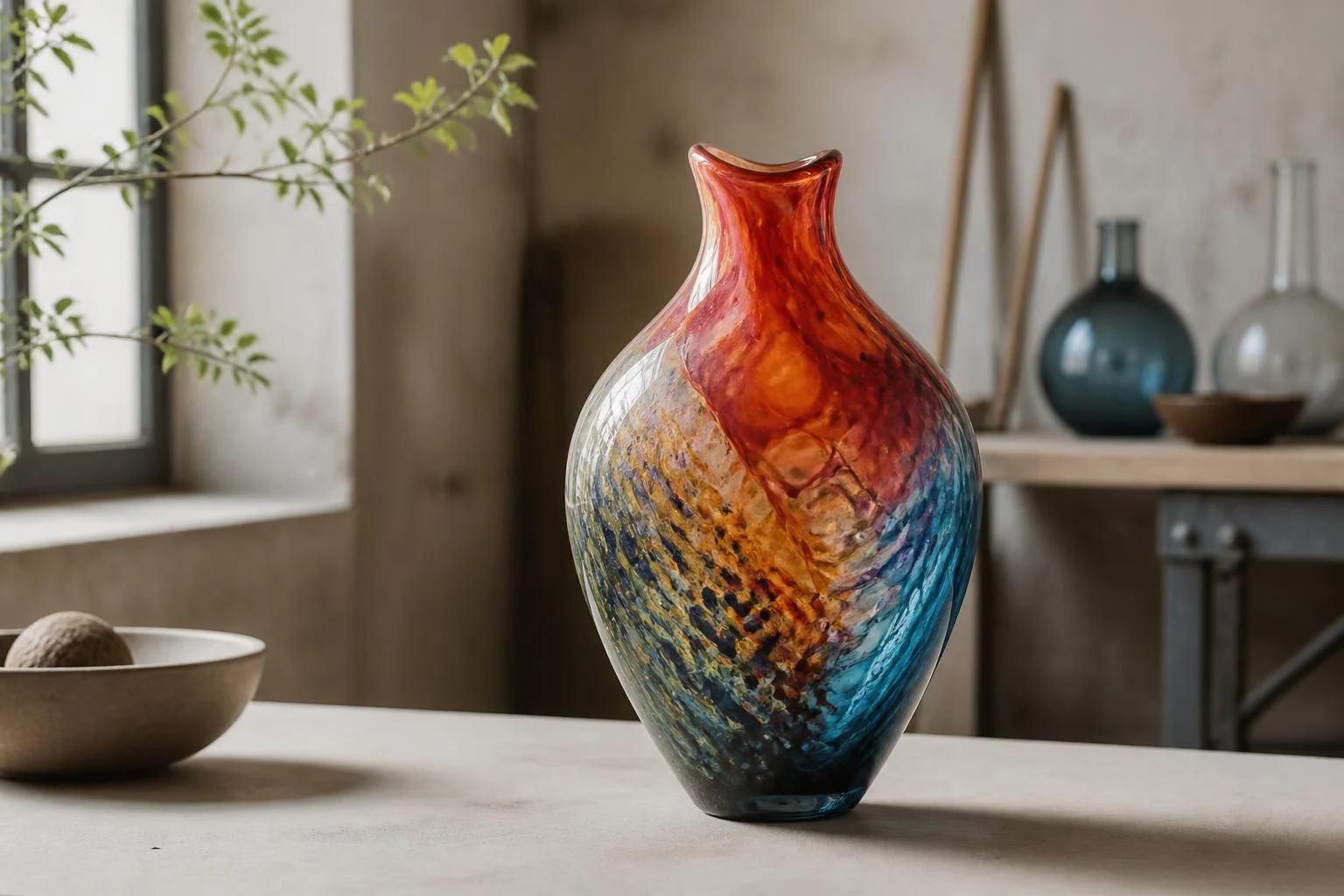
Antique Value Guide
Murano Vase Value: What Determines It
Learn what affects Murano vase value, how to inspect marks and quality, and when to get a second opinion before selling.
Murano vase value depends on a few practical factors: whether it is truly Murano, who made it, how well it was made, its size, condition, and whether the style is desirable to buyers right now. If you want a fast answer, start with the maker’s mark, examine the glass quality, and look for damage or repairs before you compare recent sales.
Not every colorful Italian-style glass vase is valuable, and not every Murano vase is rare. The difference usually comes down to attribution, craftsmanship, and condition. Below are the clues that matter most when you are trying to estimate what your vase may be worth.
1. Confirm whether it is actually Murano
The first step is authenticity. “Murano” refers to glass made on the island of Murano near Venice, but many vases in the market are simply described that way because they look similar. A true Murano vase usually shows strong handwork, quality glass, and sometimes an original label, signature, or label residue.
Look for:
- Paper labels, etched signatures, or acid marks
- Visible hand-formed details, not mass-produced uniformity
- Consistent quality in the base, rim, and decorative elements
Be careful with claims that sound too certain. Fake or copied marks are common, so the mark alone should never be the only proof.
2. Check the maker or workshop name
Murano vase value often rises when the piece can be tied to a known maker, workshop, or designer. Pieces from recognized studios generally bring more attention than unsigned examples, especially when the style is documented and the craftsmanship is strong.
If the vase is signed, compare the signature carefully to known examples. If it carries a label, remember that labels can be missing, replaced, or added later. A real attribution should fit the object itself, not just the mark.
3. Study the glass quality and technique
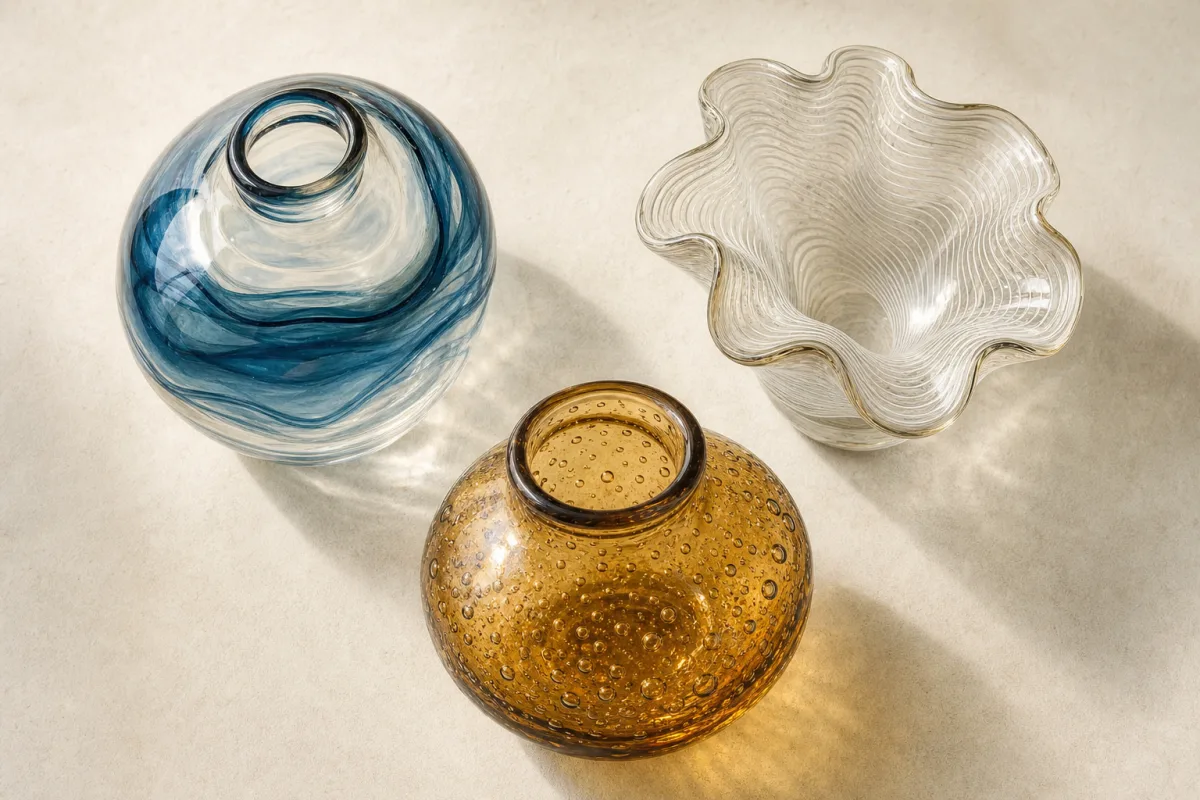
This is where many vases separate from ordinary decorative glass. High-quality Murano work often shows clean execution, rich color, layered glass, and techniques that are difficult to copy well. Common techniques include sommerso, latticino, aventurine, controlled bubbles, and complex pulled or applied decoration.
Signs of stronger craftsmanship:
- Balanced shape with intentional proportions
- Even color saturation and well-controlled layers
- Neat pontil or base finish appropriate to the piece
- Hand-applied details that look refined, not sloppy
If the glass looks overly rough, thin in the wrong places, or mechanically uniform, the value may be lower even if the vase is attractive.
4. Size, form, and design matter
Larger Murano vases are not automatically worth more, but unusual forms, striking color combinations, and elegant proportions can increase interest. Buyers often pay more for pieces that stand out visually and fit current display trends.
Examples that can influence value:
- Rare shapes or sculptural silhouettes
- Bold color combinations with visual depth
- Complex decorative work such as applied handles or flowers
- Mid-century designs that are easy to place in modern interiors
Plain or common forms can still have value, but they usually sit in a different price range than highly desirable statement pieces.
5. Condition can change the price quickly
Condition is one of the fastest ways to move Murano vase value up or down. Chips, cracks, polished damage, cloudiness, and repaired breaks all affect what a buyer will pay. Even minor rim nicks can matter if the vase is thin or highly collectible.
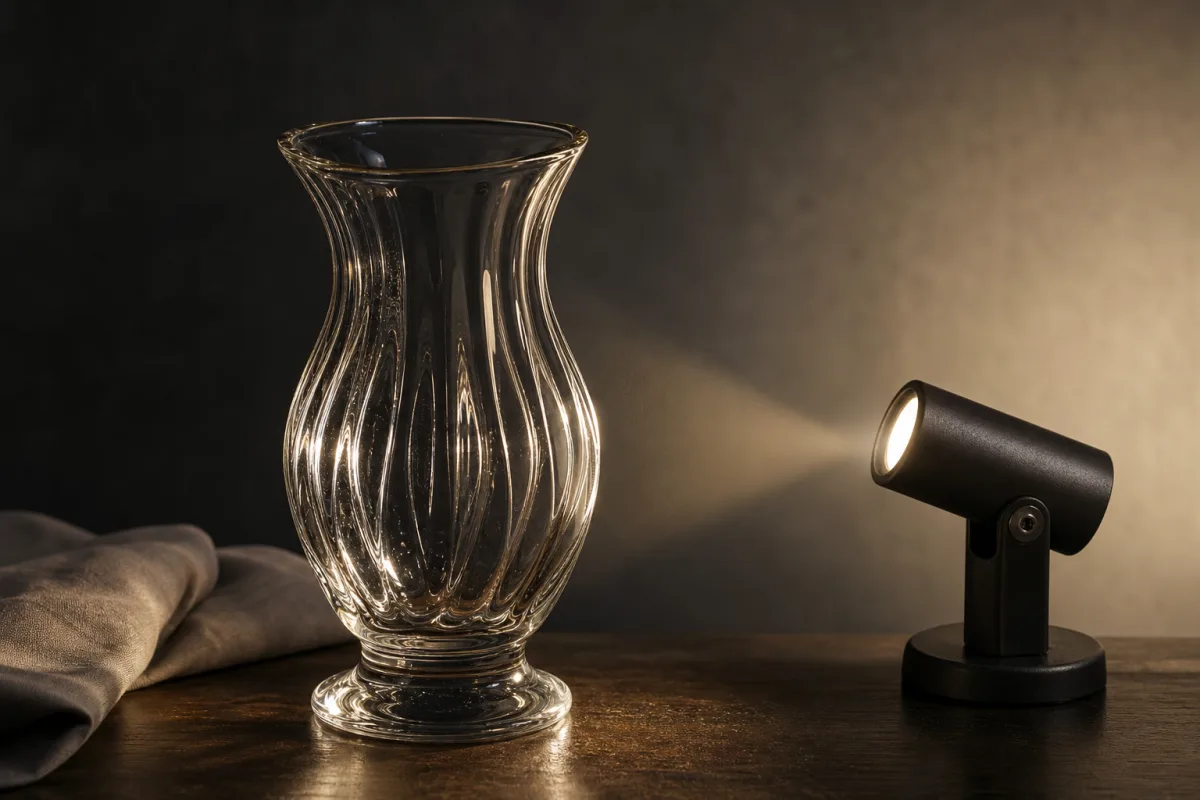
Inspect the piece in strong light and feel the rim, base, and applied elements. Watch for:
- Chips on the rim or foot
- Cracks that may be hard to see at first glance
- Heat stress or clouding
- Evidence of repair, glue, or resurfacing
For fragile art glass, a tiny flaw can matter more than it would on a heavier decorative piece.
6. Age and era help, but they are not everything
Older does not always mean more valuable. Some mid-century Murano vases are highly sought after, while some later examples are common. Age matters most when it is supported by design style, materials, and provenance.
Ask whether the vase appears to fit a known period:
- Mid-century modern shapes and colors
- Late 20th-century decorative production
- Contemporary studio glass with a documented artist
If you also have purchase records, family history, or original packaging, keep them together. Provenance can help support a stronger attribution.
7. Compare recent sold listings, not asking prices
When estimating value, sold results are more useful than active listings. Asking prices can be optimistic, while sold prices show what buyers actually paid. Compare pieces that match your vase in size, color, maker, and condition.
A simple comparison method:
- Find 3 to 5 recently sold vases with similar features.
- Ignore listings that are clearly damaged unless yours is damaged too.
- Give more weight to confirmed attributions than vague “Murano style” descriptions.
- Adjust for differences in condition, size, and rarity.
If your vase has no clear maker but looks well made, it may still have decorative resale value even if it is not top-tier collectible glass.
Quick value checklist
| What to check | Why it matters | What it may suggest |
|---|---|---|
| Mark, label, or signature | Supports attribution | Stronger confidence if it matches the piece |
| Glass quality | Shows craftsmanship | Better-made vases may bring higher interest |
| Condition | Affects buyer demand | Damage usually lowers value |
| Maker or workshop | Can increase collectibility | Named work often sells better than unsigned pieces |
| Design and size | Influences desirability | Distinctive forms may attract more buyers |
| Recent sold comparisons | Shows market reality | Helps narrow a realistic range |
When to get a second opinion
If your vase has a signature, unusual technique, or a family story that suggests it may be important, it is worth getting another look before selling. This is especially true if the piece seems older, has a paper label, or resembles known studio glass. A careful review can help you avoid underpricing a better piece or overestimating a common one.
If you collect multiple antiques, you may also find these related guides useful: Antique Appraisal Services: 7 Clues to Figure Out What Your Item Is Worth and Certified Antique Appraiser: 7 Clues That Reveal Real Value.
For a quick first pass, you can also use the Antique Value Identifier app here: Antique Value Identifier.
Practical selling tips
- Photograph the vase in daylight from multiple angles.
- Include close-ups of the base, rim, signature, and any label residue.
- Note exact height, width, and visible condition issues.
- Avoid cleaning aggressive residue before documenting it; heavy polishing can reduce originality.
- Describe the piece accurately as signed, attributed, or unverified.
Clear photos and honest details usually do more for resale than broad claims about rarity.
FAQ
How can I tell if my vase is real Murano glass?
Start with the overall craftsmanship. Real Murano glass usually shows strong handwork, controlled color, and quality finishing. A label or signature can help, but it should match the object and should not be the only proof.
Does a signature guarantee higher Murano vase value?
No. A signature can support attribution, but the piece still needs to look authentic and well made. Condition, maker reputation, and desirability all affect value too.
What lowers Murano vase value the most?
Damage is one of the biggest value reducers, especially chips, cracks, repairs, or clouding. Weak craftsmanship, unclear attribution, and very common designs can also limit value.
Should I use asking prices to estimate value?
Use sold prices when possible. Asking prices can be much higher than what buyers actually pay, so sold comparisons are a better guide for a realistic estimate.
Bottom line
The best way to estimate Murano vase value is to check authenticity, maker, craftsmanship, condition, and recent sold comparisons together. No single clue tells the whole story. If your vase has a clear mark, refined glasswork, and clean condition, it may be worth much more than a basic decorative piece; if not, it may still have modest resale value as attractive art glass.
When you want a quick starting point, use the details you can see, take good photos, and compare your vase carefully before you list or sell it. If you are unsure, a second opinion can save you from guessing wrong.
Soft CTA: If you want a faster first check, try the Antique Value Identifier app and use it alongside your own photos and notes.
Try the Idar app
Use the app when you want a faster, more organized starting point before comparing details manually.