Antique Value Guide
7 Best Online Antique Appraisal Sites Compared
best online antique appraisal sites: Compare 7 online antique appraisal options by cost, setup, strengths, and limits so you can choose the right one fast.
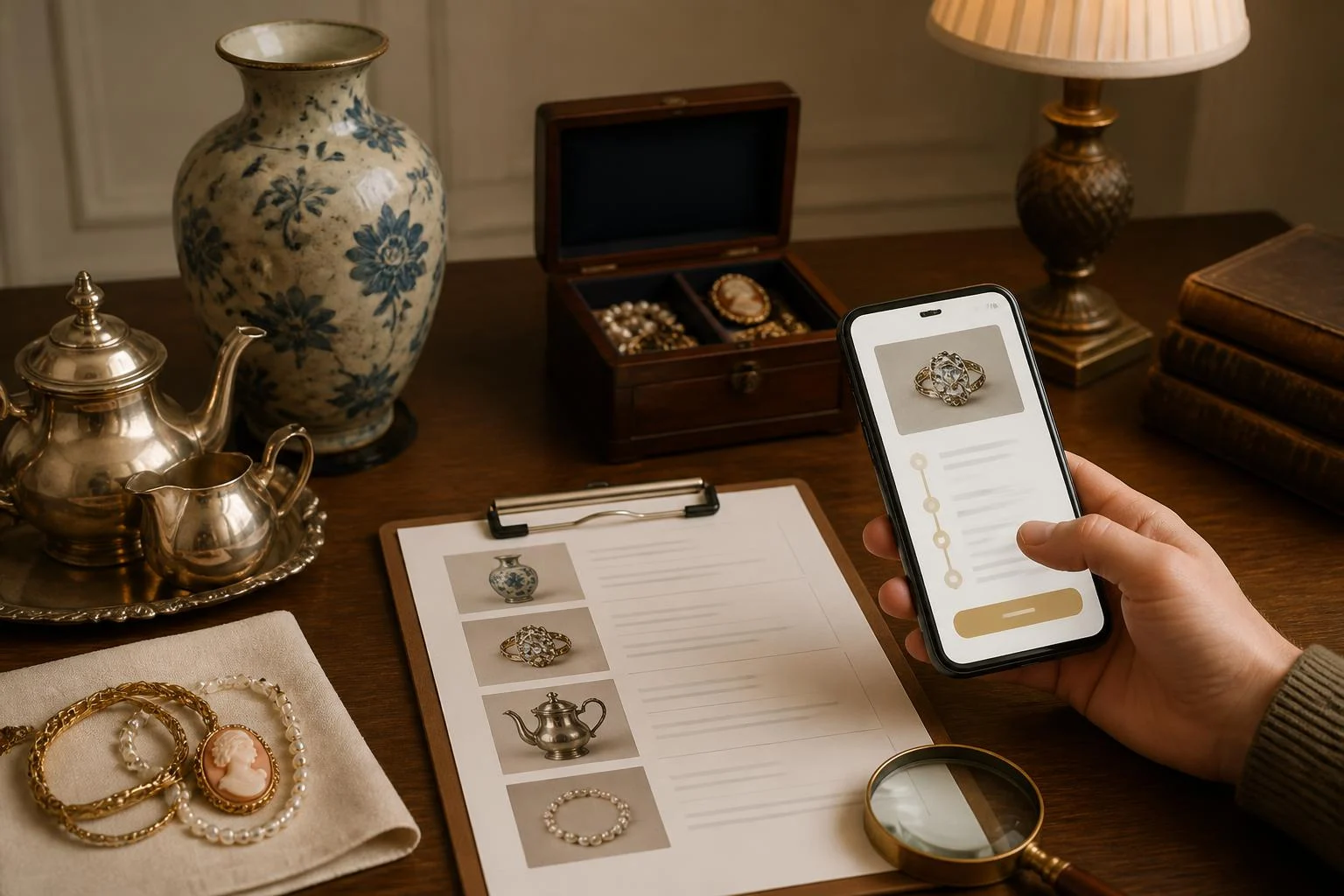
If you want the best online antique appraisal sites, the top pick for most people is the one that lets you start with clear photos and get a value-oriented answer without a complicated setup. For a fast, practical first pass, a visual identifier app such as Antique Value Identifier – IDAR is the strongest choice because it helps you screen an item quickly before you decide whether to pay for a formal appraisal.
That said, the right option depends on what you need: a quick estimate, a specialist opinion, a live expert, or a written appraisal for insurance or estate work. Below is a side-by-side comparison of the most useful online paths for U.S. antique owners.
How I compared these options
Each option is judged by the same practical criteria you can verify before you use it:
- What it does: quick ID, price guidance, expert review, or formal appraisal support.
- What it costs: free, paid, or pay-per-use, based on what the service makes clear.
- What it needs: photos, measurements, maker marks, provenance, or live conversation.
- Where it falls short: when it is not enough for insurance, probate, or a high-value item.
| Option | What it does | What it costs | What it needs | Where it falls short |
|---|---|---|---|---|
| Antique Value Identifier – IDAR | Photo-based screening and value-oriented identification | Check in app; any paid features are handled in-app | Clear photos and basic item details | Not a substitute for a signed formal appraisal |
| WorthPoint | Research database with past sales and reference material | Subscription-based access | Time to search and compare examples | Best for research, not instant answers |
| eBay sold listings | Market reality check using recent sold items | Free to view | Good search terms and patience | Condition and title mistakes can skew results |
| Live online auction houses | Specialist sales guidance and market access | Varies by house and consignment terms | Photos, dimensions, and item history | Not ideal for a quick one-item estimate |
| Certified antique appraiser | Formal written appraisal or expert opinion | Usually paid | Item access, photos, and documentation | Slower and more expensive than self-serve tools |
| Specialty guide articles | Item-specific clues and value factors | Free to read | Time to compare your item to the guide | Not a personalized valuation |
1. Antique Value Identifier – IDAR
Verdict: Best for a fast first pass when you want to know whether an item is worth deeper research.
Antique Value Identifier – IDAR is a strong fit if your main goal is to sort through a piece quickly using photos, then decide whether it deserves a specialist review. That makes it useful for inherited boxes, flea market finds, and room-by-room sorting.
Good at:
- Helping you start with the item in hand, not a long research session.
- Giving a practical first look before you spend money elsewhere.
- Working well for mixed household items where you do not yet know what matters most.
Limitation: It is not the same as a formal written appraisal, so do not rely on it alone for insurance, estate division, or legal paperwork.
If you are sorting silver, lamps, furniture, or costume jewelry, a quick scan can save time before you go deeper. For example, if you are evaluating metal table pieces, pairing a photo-based start with a focused guide like Antique Silver Appraisal: 7 Clues That Reveal Value can help you avoid missing obvious markers.
2. WorthPoint
Verdict: Best for comparing your item to past sales and reference examples.
WorthPoint is useful when you want to research what similar antiques have sold for and learn how collectors describe them. It is especially helpful for people who are comfortable searching by maker, form, material, and period.
Good at:
- Showing a broader historical picture than one quick search result.
- Helping you compare similar items instead of guessing from asking prices.
- Supporting research for categories like glass, furniture, and decorative arts.
Limitation: It takes time to use well, and it is better for research than for an immediate, personalized answer.
3. eBay sold listings
Verdict: Best free market check for everyday antiques and collectibles.
Sold listings on eBay are often the quickest no-cost way to see what buyers actually paid. This is useful when you already know the broad category and want a reality check on current demand.
Good at:
- Showing recent sold prices, not just asking prices.
- Helping you spot active demand for common items.
- Giving a fast benchmark before you contact an appraiser or auction house.
Limitation: Search results can be messy. A poor title, a weak photo, or a damaged example can make the comparison misleading, so it should be treated as a starting point, not a final valuation.

4. Live online auction houses
Verdict: Best when you may want to sell after appraising, especially for higher-quality pieces.
Online auction houses are a strong option when your item appears collectible enough to justify specialist handling. They can be especially helpful for furniture, silver, lighting, and named decorative arts where presentation and buyer reach matter.
Good at:
- Putting your item in front of buyers who already know the category.
- Offering guidance on what may or may not sell well.
- Helping you understand marketability, not just raw value.
Limitation: They are not usually the fastest route for a single quick estimate, and consignment terms can vary widely.
If your piece is a lamp or a specific furniture form, it helps to read a focused guide first, such as Antique Lamp Appraisal: 7 Clues That Reveal Real Value or Antique Furniture Appraisal: What Experts Look For, before you approach a sale venue.
5. Certified antique appraiser
Verdict: Best for formal documentation and higher-stakes decisions.
A certified antique appraiser is the right move when you need a written appraisal for insurance, estate settlement, probate, donation support, or a valuable object that should be documented carefully. This is the most serious option on the list.
Good at:
- Providing a structured, documented opinion.
- Handling complex items where condition, provenance, and authenticity matter.
- Giving you something you can keep for records and future reference.
Limitation: It usually costs more and takes longer than self-service tools, so it is not the best first stop for routine sorting.
For readers who are deciding whether a specialist is even necessary, this guide can help narrow that question: Certified Antique Appraiser: 7 Clues That Reveal Real Value.
6. Specialty guide articles
Verdict: Best for learning the value clues that matter before you spend money.
Item-specific articles are not appraisers, but they are excellent for understanding what drives value in a particular category. If you are looking at a Murano vase, silver, costume jewelry, lighting, or a specific furniture style, a targeted guide can tell you what to inspect first.
Good at:
- Teaching you the markers that matter for one category.
- Helping you avoid common mistakes, like confusing style with authenticity.
- Preparing you for a smarter photo submission or appraiser visit.
Limitation: A guide can point you in the right direction, but it cannot replace an item-by-item evaluation.
For example, a Murano piece may look similar to many decorative glass items, so a focused article such as Murano Vase Value: What Determines It can be more useful than a general search.
What to check before you choose an online appraisal path
- Do you need a quick estimate or a formal document? If it is just a first pass, use a photo-based tool or research source.
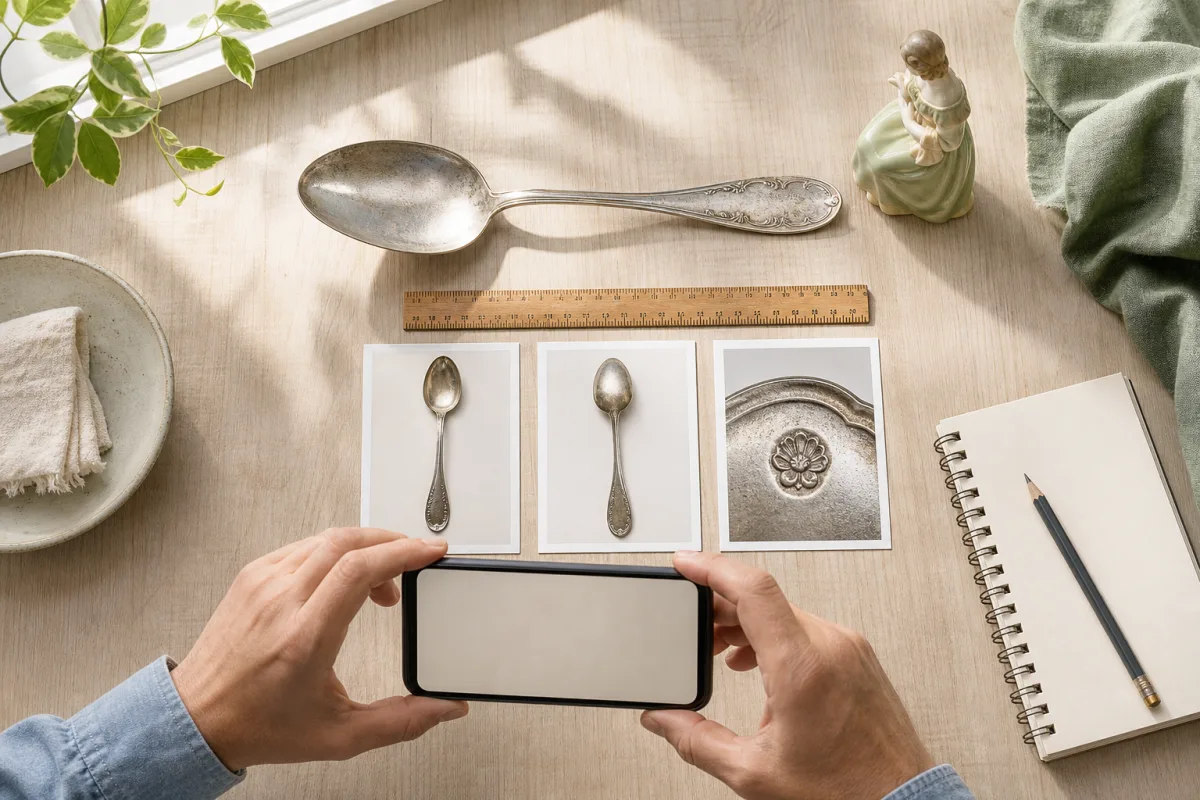
- Do you have clear photos? Most online options work better when you can show front, back, underside, marks, damage, and scale.
- Do you know the category? If not, start with a visual identifier or a broad guide before researching sold prices.
- Does the item have potential legal or insurance value? If yes, move toward a certified appraiser.
- Are you trying to sell soon? Auction houses and sold listings may be more useful than a general reference library.
Quick decision path
- If you mostly need a fast first look: choose Antique Value Identifier – IDAR.
- If you want to research comparable examples: choose WorthPoint.
- If you want the fastest free market check: use eBay sold listings.
- If you may sell a stronger piece: ask an online auction house.
- If you need formal paperwork: hire a certified antique appraiser.
- If you are still learning the category: read a specialty guide first.
FAQ
What is the best online antique appraisal site for a beginner?
For most beginners, the best starting point is the option that gives a fast visual first pass with minimal setup. That usually means a photo-based tool, followed by sold listings or a category guide if you want to verify the result.
Can an online antique appraisal replace a certified appraisal?
No. Online tools are useful for screening, research, and rough direction, but a certified appraisal is still the better choice when you need documentation for insurance, probate, or other formal use.
What photos should I take before using an online appraisal tool?
Take clear shots of the front, back, underside, any maker mark, signature, or stamp, plus close-ups of wear, repairs, and scale next to a ruler or common object. Good lighting matters more than fancy equipment.
How do I avoid overestimating value from a quick online search?
Compare sold results, not asking prices, and make sure the examples match your item in condition, size, material, and maker. If the item seems promising, move to a specialist or formal appraiser before you assume it is valuable.
Soft next step
If you want to start with a practical first look, try Antique Value Identifier – IDAR, then compare what you see with a focused guide or a qualified appraiser if the item looks promising.
Try the Idar app
Use the app when you want a faster, more organized starting point before comparing details manually.