Antique Value Guide
Vintage vs Antique Value: How Age Changes the Price
Learn how to estimate vintage value with a practical checklist, key clues to inspect, and simple steps for antiques and vintage items before seeking an appraisal.
If you are trying to figure out vintage value, the best place to start is not with a guess, but with a simple inspection. Condition, age, maker, materials, and demand all affect what an item may be worth. Whether you collect vintage & antiques or are sorting through a family attic, a clear process will help you avoid underpricing or overestimating an item.
This guide walks through the main clues used in an antique appraisal, plus a quick value checklist you can use before turning to a price guide or a professional opinion.
1. Start with the basics: what exactly is it?
Before you try to price anything, identify what category it belongs to. Is it vintage furniture, a decorative object, pottery, silver, glass, or a tool? Items that look similar can have very different values depending on type, age, and maker.
For example, two pieces may both be old, but one could be ordinary household decor while the other is a scarce collectible from a known manufacturer. That difference matters in both antiques and vintage markets.
- Note the item type and use.
- Look for labels, signatures, stamps, or maker’s marks.
- Check whether the item appears handmade, machine-made, or mass-produced.
- Compare the object to similar examples in an antique price guide or vintage price guide.
If you need help with identification first, you may want to review How to Identify Antiques: 7 Best Expert Tips.
2. Check the condition carefully
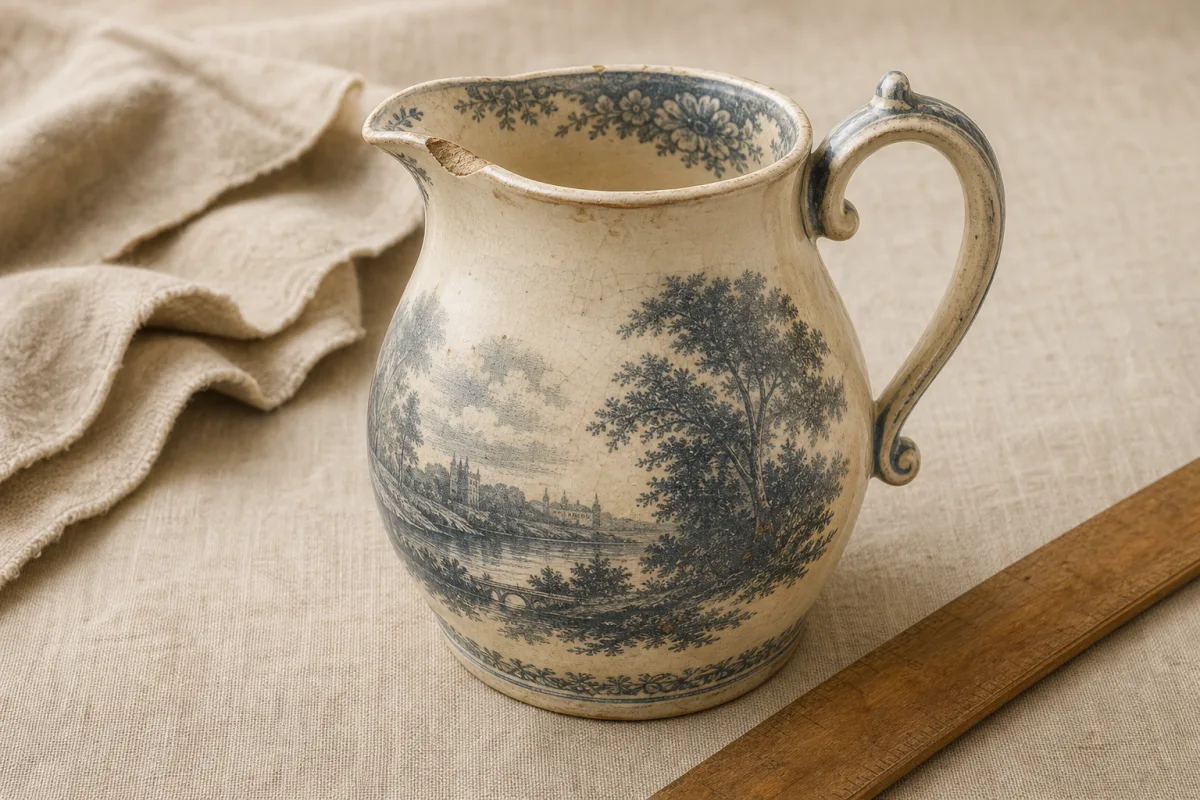
Condition is one of the biggest drivers of vintage value. Small issues may be acceptable, but chips, repairs, cracks, missing parts, and heavy wear usually reduce value. On the other hand, original finish or untouched patina can sometimes support a stronger price than a badly restored piece.
Look for these condition clues
- Cracks, chips, or breaks
- Repairs, glue, repainting, or replaced parts
- Stains, rust, dents, or warped surfaces
- Fading, missing decoration, or worn edges
- Original hardware, glass, handles, or feet
When comparing vintage antiques, remember that condition should be judged in context. A century-old item with honest wear may still be valuable if it is rare and complete.
3. Identify the maker, brand, or hallmarks
Names and marks can make a major difference in value. A known maker can place an item into a searchable market, while an unidentified piece may be harder to price. For some categories, the mark is the best clue you have.
Look closely under bases, inside drawers, along rims, or on hidden hardware. For specific categories, these guides can help:
- Furniture Maker Marks: 7 Best Antique Clues
- Silver Hallmarks Identification: 7 Best Clues
- Pottery Marks Identification: 7 Best Clues
Be cautious with marks that look unfamiliar. Not every symbol is a rare maker’s mark, and not every stamp means high value. If you cannot verify it, treat it as a clue rather than proof.
4. Estimate age using style and construction
Age alone does not determine value, but it helps narrow the market. Style, materials, joinery, and manufacturing methods can indicate whether an item is truly vintage, antique, or simply made to look old.
Useful age clues include:
- Hand-cut joinery versus modern machine cuts
- Wear patterns in natural handling areas
- Hardware style, screws, and fasteners
- Type of finish, glaze, or textile weave
- Design trends associated with a specific era
If you are comparing older household items, a vintage price guide can help you see how pieces from similar periods are typically listed and sold.
5. Compare recent market results, not wishful listings
One of the most common mistakes in antiques and appraisals is relying on asking prices alone. Online listings may show what sellers hope to receive, not what buyers actually paid. For a more realistic value, compare completed sales whenever possible.
When reviewing sales, try to match:
- Same maker or pattern
- Similar size and condition
- Same material and era
- Comparable completeness and provenance
A practical antique price guide can be helpful, but market results are usually stronger evidence than a single asking price. If you want a broader overview, see Antique Price Guide Online: 7 Best Value Checks.
6. Think about rarity and demand together
Rarity helps, but rarity alone does not guarantee high value. An item must also have demand. Some vintage objects are uncommon yet have a narrow audience, while others are more common but actively collected.
Ask yourself:
- How many similar items appear in the market?
- Is this a common household piece or a specialist collectible?
- Does the item belong to a currently active collecting category?
- Are buyers looking for this style, maker, or period now?
That combination of scarcity and demand is often what drives strong vintage value.
7. Check provenance and any supporting paperwork
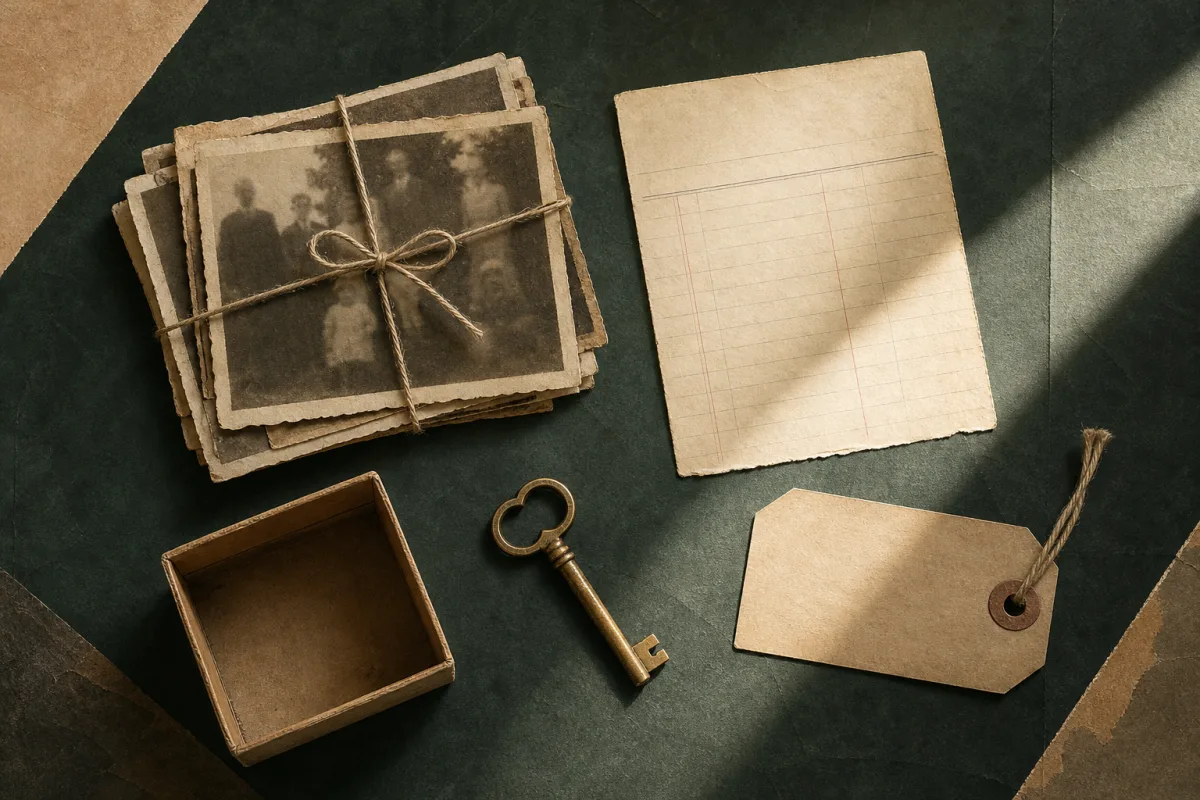
Provenance means the item’s history of ownership or use. Receipts, old photos, original boxes, family notes, auction tags, or gallery labels can support a claim of authenticity and help explain value.
Provenance is especially useful when it confirms:
- Where the item came from
- Who owned it
- When it was purchased or made
- Whether it was part of a known collection
Do not assume paperwork automatically raises value, but do keep it. Documentation can help a future appraisal and may improve buyer confidence.
Quick vintage value checklist
| What to check | Why it matters | What to note |
|---|---|---|
| Item type | Sets the correct market category | Furniture, pottery, silver, decor, tool, etc. |
| Condition | Major factor in pricing | Cracks, repairs, wear, missing parts |
| Maker or mark | Helps identify collectible examples | Stamps, labels, signatures, hallmarks |
| Age and style | Narrows the period and market | Materials, construction, design clues |
| Comparable sales | Shows real-world demand | Recent sold prices, not just listings |
| Provenance | Supports authenticity and history | Receipts, photos, tags, notes |
When to seek an antique appraisal
If the item appears rare, signed, part of a known set, or potentially high-value, it is worth getting a closer opinion. The same applies if you are unsure whether the piece is genuine, restored, or altered.
You may want a professional antique appraisal when:
- The item is made from precious metal, rare ceramics, or fine furniture
- The mark or signature seems important
- The object may have historical significance
- You are considering selling, insuring, or dividing an estate
For location-based help, you can also read Antique Valuations Near Me: 7 Best Options.
Soft tools that can help you check value faster
If you want a quick first pass before speaking with an expert, a photo-based antique identifier or value tool can help organize your research. These tools are not a final appraisal, but they can point you toward likely categories and comparable items.
You can also explore the Antique Value Identifier app on the App Store for a simple way to inspect items and start a value check from your phone.
For more practical guidance, see the Antique Guides section or the article on Antique Identifier App: 7 Best Features to Try.
FAQ
What is the fastest way to estimate vintage value?
Start by identifying the item, checking its condition, looking for marks, and comparing recent sold examples. That gives you a much better first estimate than guessing from age alone.
Are antiques and vintage the same thing?
Not exactly. In general, antiques are older items, while vintage items are usually newer but still from an earlier era. In real-world use, people often say antiques & vintage together when discussing collectibles and older household pieces.
Does a maker’s mark always mean the item is valuable?
No. A mark helps identify the piece, but value still depends on condition, rarity, demand, and authenticity. Some marked items are common and only modestly priced.
Should I trust asking prices online?
Use them carefully. Asking prices can help you understand the market, but sold prices are usually a better guide to what buyers actually pay.
When should I get a professional opinion?
If the item seems rare, signed, high-end, or potentially significant, a professional appraisal is a sensible next step. It is also useful for insurance, estate planning, or selling decisions.
Vintage value is easier to judge when you follow a clear process: identify the item, check condition, verify marks, compare sales, and confirm any supporting history. If you want a faster first look, a photo-based identifier can help you narrow the category before you decide whether to seek a full appraisal.
Try the Antiquevalue app
Use the app when you want a faster photo-based check before comparing details manually.