Antique Value Guide
Tiffany Lamp Appraisal: Authenticating and Valuing Yours
Learn how to do a Tiffany lamp appraisal with practical checks for glass, base, shade, condition, and signatures so you can estimate what it is worth.
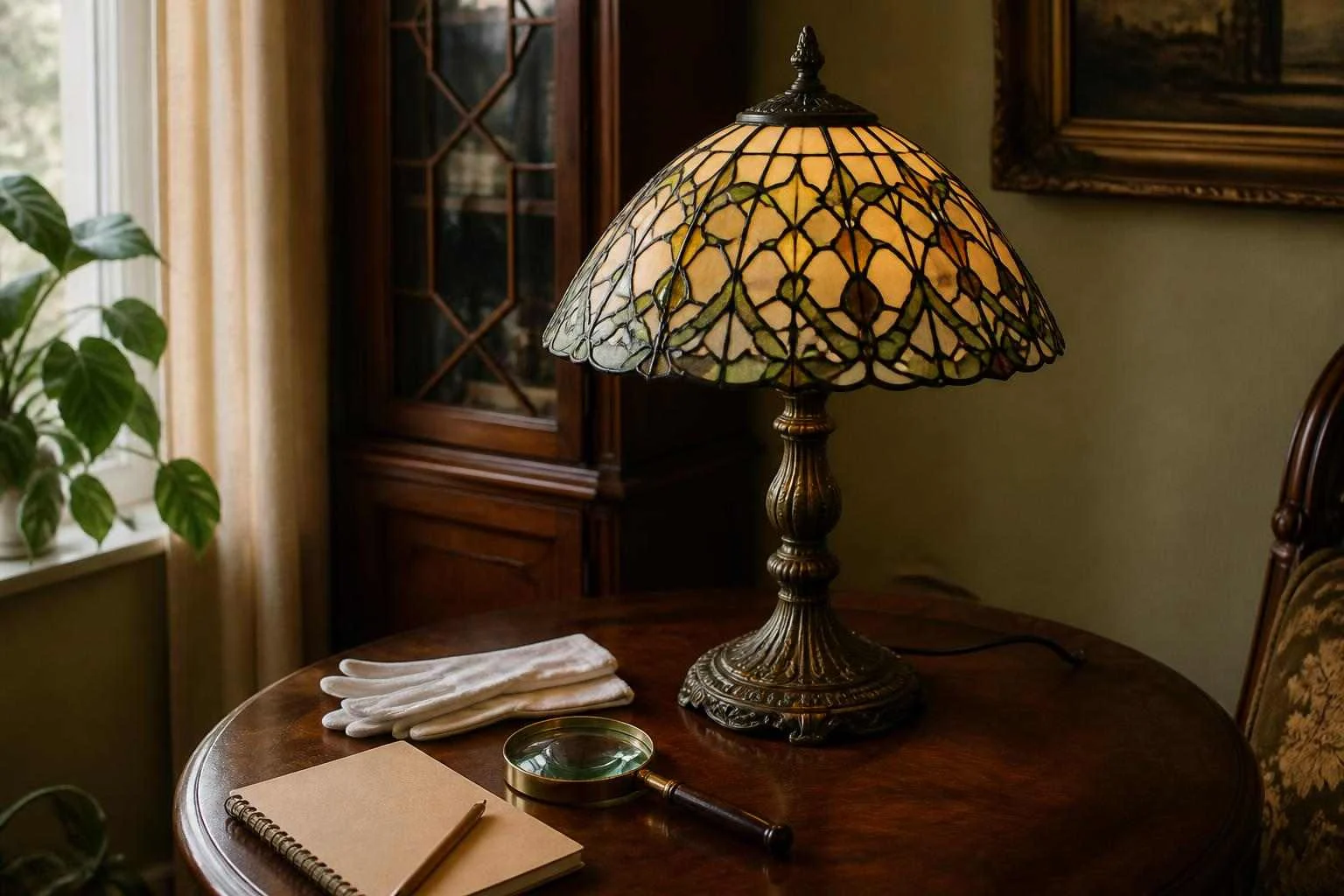
A Tiffany lamp appraisal starts with the basics: what kind of lamp you have, how it was made, and whether it shows the kind of craftsmanship expected from an original period piece. Not every lamp with stained glass is a true Tiffany lamp, and condition matters a lot. If you want to estimate what it is worth, the goal is to separate decorative reproductions from genuine antique examples and then check the features that affect value.
This guide covers the main clues used in a tiffany lamp appraisal, including shade construction, base type, markings, condition, and when to get a professional opinion. If you are comparing a family heirloom or planning to sell, these steps can help you make a more informed first pass.
1. Start with the lamp type and overall style
Before looking for marks, identify what you are actually holding. Tiffany-style lamps are made in many periods, from early 20th-century originals to later reproductions. A genuine antique tiffany lamp appraisal usually begins with the lamp’s overall form:
- Table lamp, floor lamp, or hanging fixture
- Glass shade shape, such as dome, tulip, geometric, or flower-form
- Base material, often bronze, spelter, or metal alloy in older examples
- Wiring and socket style, which can hint at age but should not be your only clue
Be careful not to assume that ornate stained glass automatically means high value. Many attractive lamps are later decorative pieces. The best appraisals come from combining style, construction, and condition.
2. Examine the shade closely
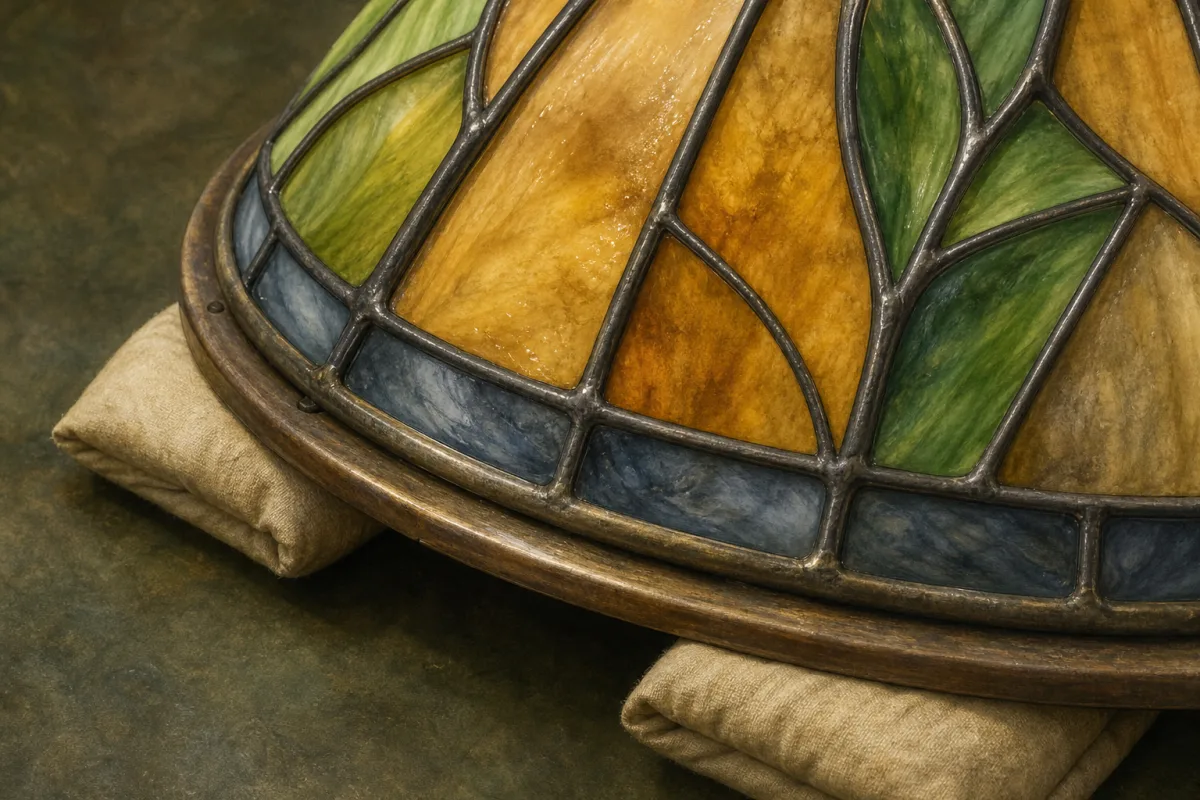
The shade is usually the most important part of the lamp’s value. Original Tiffany Studios shades were handmade, and the glasswork often shows small irregularities that are normal for the period. In a tiffany lamp appraisal, look for:
- Irregular glass pieces with natural variation in color and texture
- Lead lines that are cleanly assembled and consistent with hand construction
- Subtle solder joints rather than machine-perfect repetition
- A design that feels balanced and carefully planned, not overly busy
If the shade appears too uniform, overly glossy, or mass-produced, it may be a later copy. That does not make it worthless, but it usually changes the value range significantly.
Shade condition issues that affect value
- Cracks in the glass panels
- Loose or separated leading
- Repairs that are obvious or poorly matched
- Missing panels or replaced glass sections
- Heat damage, chips, or bent metal fitter rims
Even small damage can reduce value, especially in antique examples. A strong antique tiffany lamp appraisal always notes condition before talking about price.
3. Check the base and its material
The base should match the quality and age of the shade. Some lamp bases are simple replacements, while others were made to complement the shade. In an antique tiffany lamp appraisal, the base can help you understand whether the lamp is an original matched piece or a later marriage of parts.
Look for:
- Heavy, well-cast metal construction
- Patina that looks natural rather than freshly painted
- Matching wear on the foot, stem, and socket area
- Secure assembly with older-style hardware
If the base looks much newer than the shade, or if the parts do not seem to belong together, value may be lower than expected. A mismatched lamp can still have decorative appeal, but originality matters in appraisal work.
4. Look for signatures, labels, and maker clues
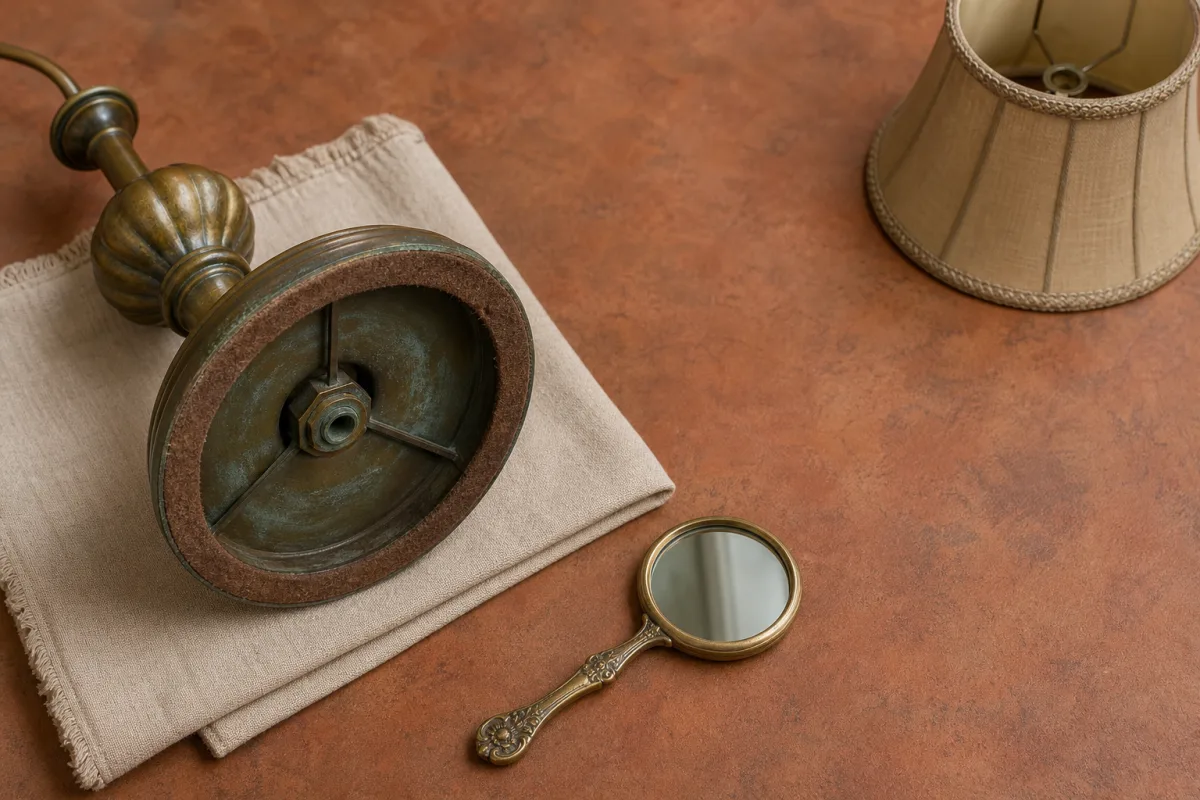
Some lamps have signatures, impressed marks, inventory numbers, or labels. Others have none at all. Absence of a mark does not prove a lamp is not genuine, but it does mean you need to rely more heavily on construction and style.
When checking for maker clues, inspect:
- The underside of the base
- The socket shell and switch area
- Inside the shade fitter rim
- Any paper label remnants or stamped numbers
Be cautious with any supposed signature. Fake or added marks are common in the decorative arts market, and no one should treat a mark as proof without supporting evidence. For a broader look at how makers’ marks can help with antiques, see Furniture Maker Marks: 7 Best Antique Clues.
Tip: If you find a mark, photograph it clearly and compare it with reliable reference material before making assumptions. A real appraisal depends on the full object, not a single clue.
5. Use condition, originality, and quality to estimate value
Once you know the lamp’s construction and age indicators, you can think about value. A tiffany lamp appraisal is usually shaped by three main factors: originality, condition, and desirability of the design.
| Factor | What to check | Effect on value |
|---|---|---|
| Originality | Shade and base appear to belong together; no obvious replacements | Strong positive when original |
| Condition | No major cracks, repairs, or missing parts | Better condition usually means higher value |
| Design quality | Well-executed pattern, balanced color, good craftsmanship | More desirable designs can bring more interest |
| Authentication | Evidence supports period manufacture, not just style | Verified antique pieces tend to be worth more |
A common mistake is to focus only on appearance. Two lamps can look similar from across the room and still have very different values because one is an original antique and the other is a later reproduction.
6. Compare with similar sales, not just asking prices
To estimate what a lamp is worth, compare it with similar sold examples whenever possible. Asking prices can be optimistic, especially for decorative antiques. In a practical appraisal, sold results are more useful than listings because they show what buyers actually paid.
When comparing sales, try to match:
- Shade size and shape
- Glass pattern and color palette
- Base style and material
- Condition and restoration level
- Whether the piece was identified as original, antique, or reproduction
If you are new to antique research, a general guide like Antique Price Guide Online: 7 Best Value Checks can help you think through comparison points before you decide whether a lamp deserves a full appraisal.
7. When a professional appraisal makes sense
If the lamp seems rare, highly original, or potentially valuable, a professional opinion is worth considering. This is especially true if you may insure, inherit, or sell the piece. A professional can evaluate details that are hard to judge from photos alone, such as period hardware, solder work, and signs of restoration.
You may want an appraisal if:
- The lamp appears to be an early antique rather than a later decorative piece
- You see a signature or unusual mark you cannot verify
- The lamp has a complex shade with fine craftsmanship
- You plan to sell and want a realistic market range
- You need documentation for estate or insurance purposes
For local help, some collectors search for Antique Valuations Near Me: 7 Best Options, but always check that the appraiser has experience with lighting, stained glass, and decorative arts.
Tiffany lamp appraisal checklist
Use this quick checklist before you request an appraisal or list the lamp for sale:
- Photograph the lamp from all sides in natural light
- Record measurements of the shade and base
- Inspect the underside, socket, and fitter rim for marks
- Note any chips, cracks, rewiring, or repairs
- Compare the design with documented examples
- Separate confirmed facts from assumptions
If you are already cataloging other antiques, you may also find related guides useful, such as Antique Grandfather Clock Appraisal: How to Check What It Is Worth or Silver Pitcher Value: How to Check What It Is Worth.
FAQ
How can I tell if my Tiffany lamp is real?
Look at the craftsmanship, materials, shade construction, base quality, and any marks. Real antiques usually show hand-built details and period-appropriate wear, but no single feature is enough on its own.
Does every Tiffany lamp need an appraisal?
No. If the lamp is clearly a modern decorative piece, a formal appraisal may not be necessary. But if it appears antique, original, or rare, an appraisal can help you avoid underpricing it.
What lowers the value most?
Major damage, replaced parts, poor repairs, and uncertainty about originality are common value reducers. A lamp that looks authentic but has significant restoration may still be collectible, but usually at a lower price.
Can I appraise it from photos?
Photos are a helpful starting point, especially for an initial opinion. Still, a full antique tiffany lamp appraisal is stronger when someone can inspect construction details and condition in person.
Is there an easy way to organize my antique research?
Yes. Many people use a photo and notes workflow first, then compare findings with a reliable identification tool. If you want a simple way to sort and document antiques before asking for a second opinion, the Antique Value Identifier app can be a practical place to start.
Final thoughts
A good tiffany lamp appraisal is part inspection, part comparison, and part restraint. Focus on the shade, base, marks, condition, and originality before thinking about price. If the piece is promising, document it carefully and compare it with sold examples or a qualified appraiser. That approach gives you a much better chance of understanding what your lamp is really worth.
For more antique value guides, visit the Antique Guides section on AntiqueValue.co.
Try the Antiquevalue app
Use the app when you want a faster photo-based check before comparing details manually.