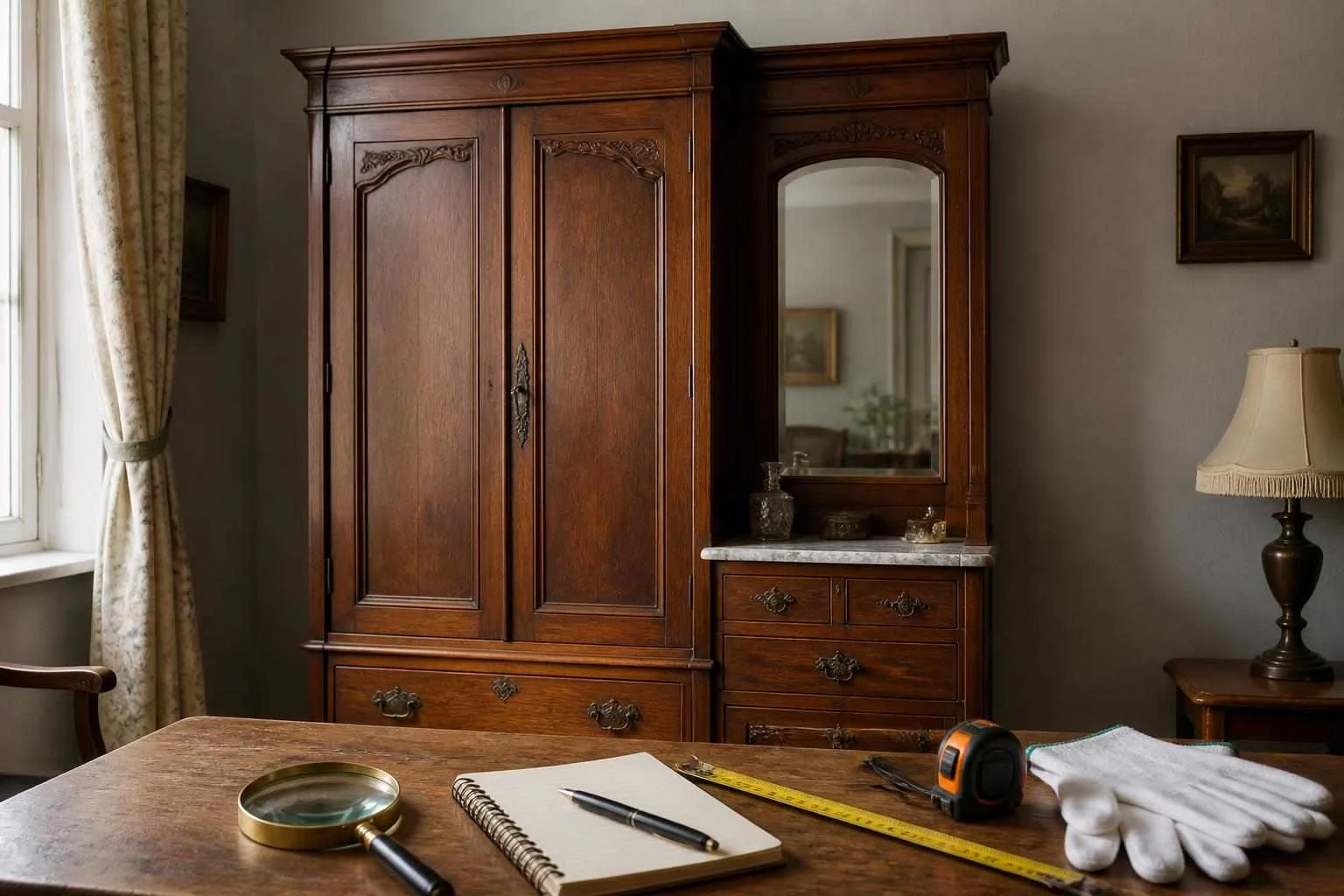
Antique Value Guide
Antique Chifferobe with Mirror: Value by Style and Condition
Learn how to evaluate antique chifferobe with mirror value using size, condition, hardware, maker marks, and market demand. Includes a practical checklist and FAQ.
If you are trying to figure out antique chifferobe with mirror value, the best place to start is not with a guess from a sales listing. It is with the object itself: the wood, hardware, mirror, condition, and how complete it is. A chifferobe with its original mirror can be worth meaningfully more than a stripped or altered piece, but the range is wide because style, age, and market demand all matter.
This guide walks through the main clues that affect value and gives you a practical checklist you can use before you request an antique mirror appraisal or compare similar pieces online.
What a chifferobe is and why the mirror matters
A chifferobe is a hybrid furniture piece that combines wardrobe and drawer storage. Many examples were made in the early to mid-20th century, and some include a matching mirror mounted on the front or as part of a dresser-style configuration. In appraisal terms, the mirror matters because it can help show the piece is complete, original, and more desirable to buyers.
When evaluating antique dresser with mirror value, antique vanity with tri fold mirror value, or antique wash stand with mirror value, the same principle applies: original matching parts usually support stronger value than mixed components. A chifferobe with its original mirror, finish, and hardware often has better market appeal than one that has been modified over time.
7 best clues that affect antique chifferobe with mirror value
1. Confirm the type of furniture
First, make sure you are identifying the piece correctly. A chifferobe is not the same as a wardrobe, armoire, or standard dresser. The design, drawer layout, and hanging space all affect how buyers categorize it. Correct identification matters because a mislabeled piece can be compared to the wrong market.
2. Check whether the mirror is original
An original mirror is more valuable than a replacement. Look for signs that the frame, mounts, screw holes, or backing boards align naturally with the rest of the furniture. If the mirror looks newer, has modern fasteners, or was added later, the value may be lower.
This is where a general antique mirror appraisal can help, especially if the glass, frame, or mounting hardware seems period-appropriate but not obviously original.
3. Inspect the wood, finish, and construction
Solid wood construction, dovetail joints, and period-appropriate hardware usually support stronger value. Veneer damage, warping, splitting, and heavy refinishing can reduce value. A clean original finish is often preferred over a stripped surface, unless the original finish is badly damaged.
4. Look for maker marks and labels
Maker marks can be decisive when present, but many pieces are unmarked. Check the back, drawer bottoms, inside panels, and hardware areas for stamps, tags, or burned-in marks. If you find a name, compare it carefully using a trusted reference before assuming it adds major value. For furniture research, Furniture Maker Marks: 7 Best Antique Clues can help you know what to look for.
5. Evaluate the mirror style and glass condition
Original mirror glass can show age through backing loss, spotting, and light wear. That kind of age may be acceptable, but severe clouding, cracks, or replacement glass can change the value. Decorative mirror frames, shaped tops, and period styling may also help the piece stand out.
6. Check condition carefully
Condition often has the biggest impact on value. Buyers look at drawer action, missing trim, water stains, insect damage, broken pulls, and structural stability. A piece that is solid and functional typically sells better than one that needs major restoration.
7. Compare demand, not just age
Age alone does not guarantee high value. A well-made chifferobe in a desirable style may bring more than an older example with poor proportions or heavy damage. Local demand, shipping costs, and current decorating trends all influence what buyers will pay.
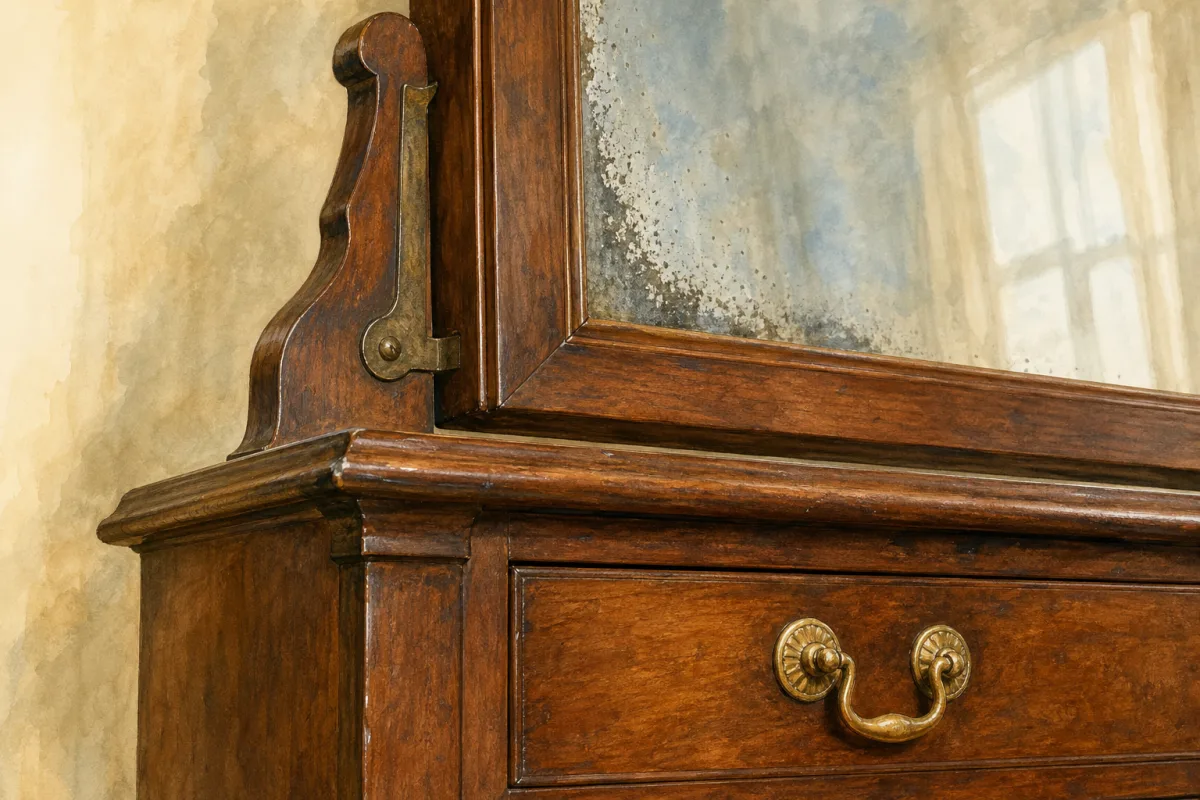
Value checklist for antique chifferobe with mirror value
Use this quick checklist before you search listings or contact an appraiser:
- Measure the height, width, and depth.
- Check whether the mirror appears original or replaced.
- Look for maker marks, labels, or hardware stamps.
- Note the wood type if you can identify it.
- Photograph the front, back, inside, drawers, and mirror details.
- Record condition issues: cracks, repairs, missing parts, refinishing, or staining.
- Compare the piece with similar completed sales, not just active asking prices.
- Consider whether the mirror is detachable, hinged, or integrated into the design.
| Feature | Why it matters | Value impact |
|---|---|---|
| Original mirror | Shows completeness and period consistency | Usually positive |
| Replaced glass or frame | May lower originality | Often neutral to negative |
| Maker mark | Can help confirm maker and era | Potentially positive |
| Heavy refinishing | Can reduce collector interest | Often negative |
| Solid condition | Supports usability and resale | Positive |
| Missing hardware | Signals incomplete restoration | Negative |
How to compare your piece to similar antiques
The easiest way to build a realistic value range is to compare your chifferobe with items that match in size, style, and condition. Search for sold examples of similar furniture, then narrow the results to pieces with original mirrors and comparable wear. Avoid comparing your item to an upgraded, professionally restored example unless your piece is equally strong.
The same comparison method works for related items such as antique hand mirror value and antique silver hand mirror value. In those cases, condition of the silvering, frame, handle, and any monograms or decorative details can influence price. If the frame appears to be Syroco or another molded composition style, a syroco mirror appraisal may be more relevant than a generic mirror estimate.
For broader market context, you can also review Antique Price Guide Online: 7 Best Value Checks and Vintage Value: How to Check What It Is Worth.
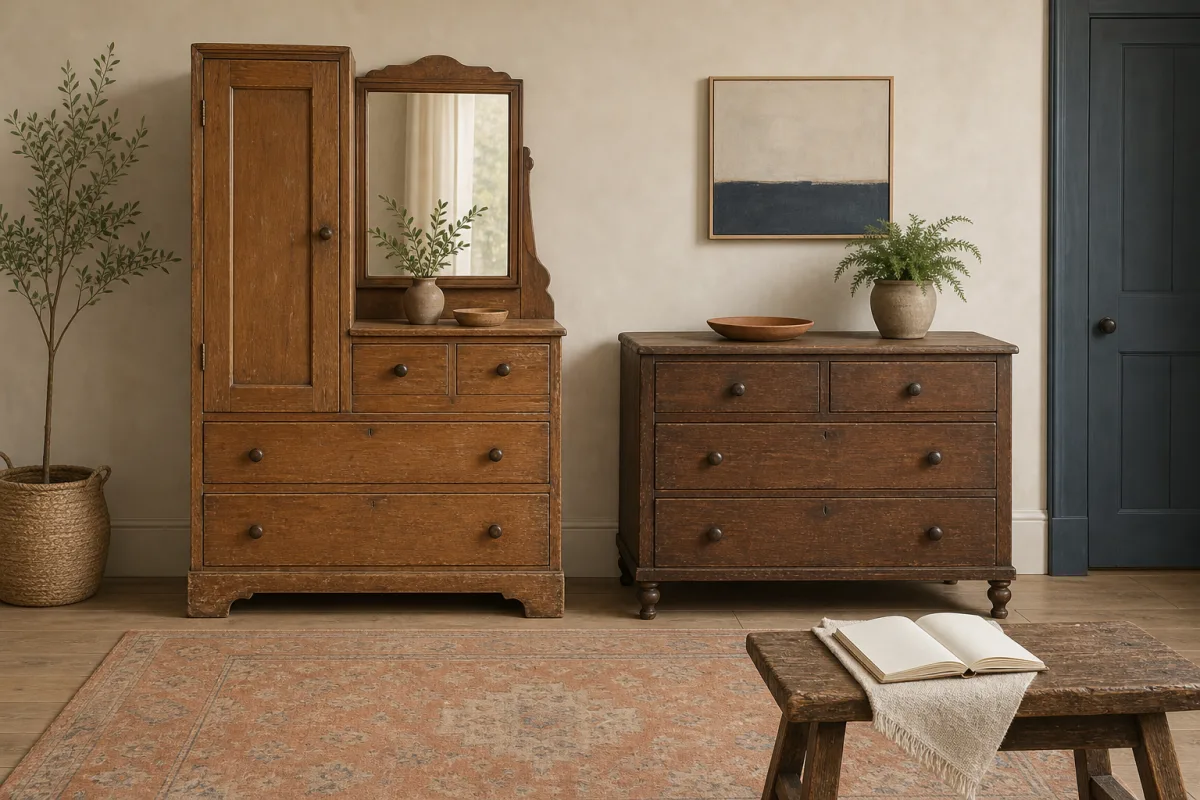
When to get a professional antique mirror appraisal
Consider an appraisal if your chifferobe has any of the following:
- A clear maker mark or label you cannot identify
- Unusual construction or regional styling
- Fine carving, inlay, or decorative glasswork
- Unclear mirror originality
- Signs it may be a higher-end or early example
- Condition issues that make online comparison unreliable
A professional antique mirror appraisal is especially useful when the piece has a strong family history or may have been restored over time. If you are comparing it to other furniture categories, the same approach used in Tiffany Lamp Appraisal: How to Check What It Is Worth and Antique Grandfather Clock Appraisal: How to Check What It Is Worth can be helpful: identify, document, compare, then appraise.
Soft CTA: a faster way to organize your research
If you want to keep your notes, photos, and comparisons in one place, the Antique Value Identifier app can help you organize the basics before you reach out to a specialist. You can review the app here: Antique Value Identifier on the App Store.
FAQ
What is the biggest factor in antique chifferobe with mirror value?
Condition and originality usually matter most. An original mirror, solid construction, and minimal repairs often support stronger value than age alone.
Does replacing the mirror lower value?
It can. A replacement mirror does not automatically make the piece undesirable, but original parts usually increase buyer confidence and may improve value.
How do I know if my piece is a chifferobe or just a dresser?
Look at the layout. A chifferobe typically combines hanging storage with drawers, while a dresser is mainly drawer-based. The overall form and internal configuration help distinguish them.
Can I use the same method for an antique vanity with tri fold mirror value?
Yes. The same core checks apply: originality, condition, maker marks, mirror quality, and market comparables.
What should I do before selling?
Photograph the piece in good light, note all measurements, clean it gently, and avoid aggressive refinishing. Then compare similar sold listings and consider a professional opinion if the piece looks unusual or high quality.
If you are researching more antique categories, browse the Antique Guides section for practical value-check articles.
Try the Antiquevalue app
Use the app when you want a faster photo-based check before comparing details manually.