Antique Value Guide
Antique Appraisal Services: 7 Clues to Figure Out What Your Item Is Worth
Learn how antique appraisal services work, what affects value, and the key clues to check before you request an appraisal for furniture, silver, lamps, clocks, and more.
If you want a realistic sense of what an old item may be worth, antique appraisal services can help you narrow it down fast. The trick is knowing what appraisers look for before you ask for an official opinion.
Whether you are dealing with furniture, silver, lamps, clocks, or a family heirloom that has been stored for years, value usually comes down to a few repeatable clues: age, originality, maker, condition, and market demand. Here is a practical way to size up your item before you request antique appraisal services.
1. Start with the item itself: what is it, really?
The first step is simple identification. A lot of value mistakes happen because an object is described too broadly. A “wood cabinet” might actually be a chifferobe, an early wardrobe, or a one-off custom piece. A “table lamp” might be a later reproduction of an antique Tiffany-style lamp rather than an original.
Before you request antique appraisal services, note the basics:
- Object type and approximate function
- Material: wood, silver, brass, glass, ceramic, etc.
- Visible hardware, joinery, or construction style
- Any marks, labels, stamps, or signatures
- Approximate measurements
If your item is furniture, details like drawer construction and hardware can be especially useful. For more on that, see Furniture Maker Marks: 7 Best Antique Clues.
2. Check age indicators, but do not guess too quickly
Age matters, but not every old-looking object is valuable. Appraisers usually look for signs that support a time period rather than relying on appearance alone.
Common age clues
- Hand-cut joinery or older machine-cut patterns
- Wear that matches use, not artificial distressing
- Patina on metal, wood, or silver that looks natural
- Construction details that fit a known era
- Labels or marks used by a maker during a specific period
Be cautious with modern reproductions. A piece can be attractive and still have limited value if it is a later copy. This is why antique appraisal services often start with identification before valuation.
3. Look closely at maker marks, hallmarks, and labels
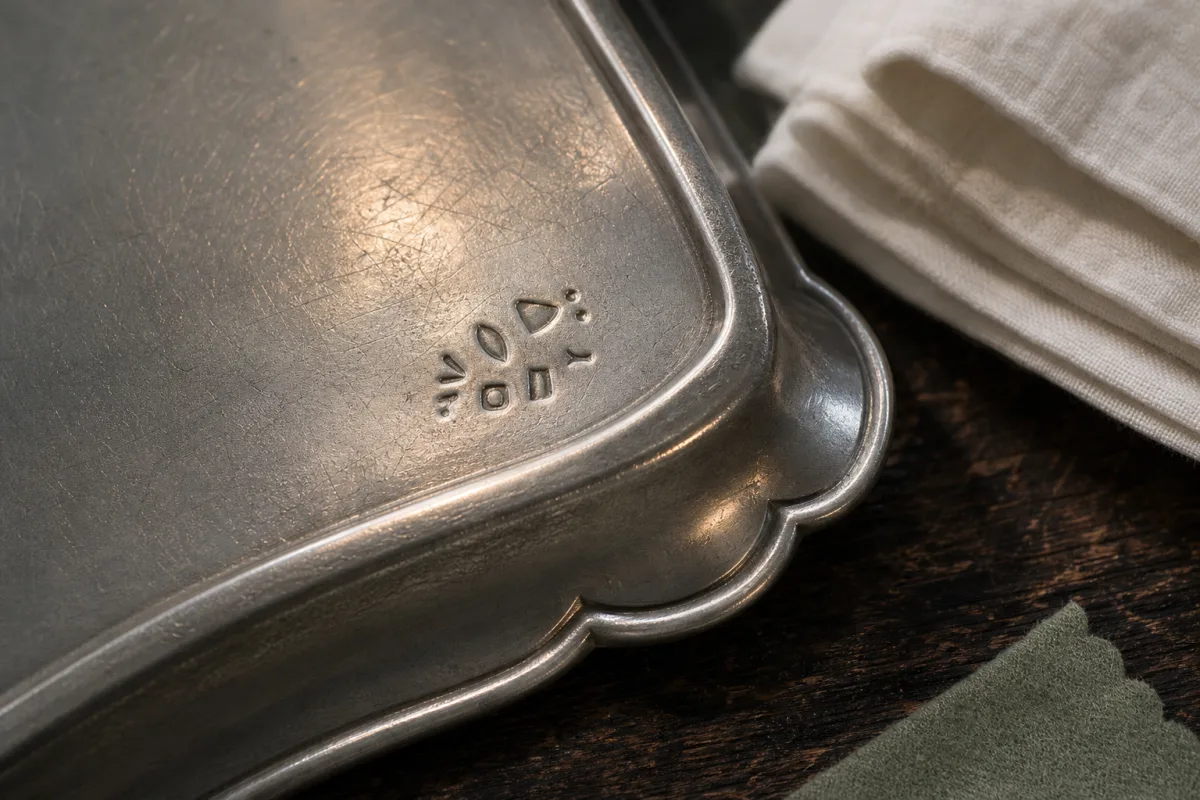
Marks can make a major difference, but only when they are interpreted correctly. A clear maker mark, hallmark, retailer stamp, or model label may connect an item to a known company or production period. On the other hand, a random mark or partial label may not mean much without context.
For silver, hallmarks and purity marks can be a strong starting point. For a deeper breakdown, use Silver Hallmarks Identification: 7 Best Clues.
If you are checking pottery, shape, glaze, and backstamp details matter as much as the mark itself. You can also compare what you see with Pottery Marks Identification: 7 Best Clues.
4. Judge condition carefully
Condition is one of the biggest drivers of value. Even desirable antiques can lose value if they have major damage, poor repairs, or heavy alterations. Antique appraisal services typically separate original condition from restored or repaired condition because buyers pay differently for each.
| Condition factor | Why it matters |
|---|---|
| Cracks, chips, or breaks | Can reduce value, especially on fragile materials |
| Replacements | Non-original parts may lower originality and appeal |
| Refinishing | Can reduce value on furniture if original finish is lost |
| Professional restoration | May preserve usability, but still affects collector value |
| Wear consistent with age | Often acceptable if it is honest and stable |
Small flaws are not always a dealbreaker. A well-made antique in honest condition can still be valuable, especially if it is rare or highly sought after.
5. Compare rarity and demand, not just age
Old does not automatically mean expensive. Value depends on how many similar pieces exist and whether buyers want them. An antique appraisal service looks at market demand as much as age.
Ask yourself:
- Is this piece common or hard to find?
- Is it in a style collectors currently want?
- Does it have a known maker or model?
- Is it complete, or missing important parts?
Some categories are especially sensitive to demand. For example, a popular lighting design, a signed silver item, or a rare clock with original parts may perform better than a larger but more ordinary piece. If you are researching lighting, this guide may help: Tiffany Lamp Appraisal: How to Check What It Is Worth.
6. Use recent sales as a reality check
Appraisals become more useful when they are supported by current market evidence. Search for comparable items that are similar in age, condition, maker, size, and style. Avoid comparing your item to a single high listing or a flashy asking price.
Better comparisons usually come from:
- Sold listings rather than active listings
- Items with the same maker or model
- Pieces in similar condition
- Recent sale results from trustworthy sources
If you are trying to understand the broader market, an online value check can help you get organized before you speak with an appraiser. See Antique Price Guide Online: 7 Best Value Checks.
7. Know when a specialist appraisal is worth it
Not every item needs a formal written appraisal, but some do. If you have a high-value family piece, an insurance need, an estate item, or something with a known maker, a specialist can save time and reduce guesswork.
Consider antique appraisal services if:
- The item may be rare or signed
- You need an insurance or estate value estimate
- The piece has multiple materials or hidden construction details
- You are unsure whether it is antique, vintage, or a reproduction
- You want a structured opinion before selling
For larger furniture pieces, a focused appraisal is often more useful than a general guess. If your item is a tall wardrobe-style piece, you may also want to compare it with Antique Chifferobe with Mirror Value: How to Check What It Is Worth.
Quick value checklist before you request an appraisal
Use this checklist to gather the information an appraiser is likely to need:
- Take clear photos from the front, back, sides, top, and bottom
- Photograph all marks, labels, and signatures close up
- Measure height, width, and depth
- Write down any repairs, damage, or missing parts
- Note where the item came from if you know its history
- Compare it with similar sold items
- Keep your description factual and simple
Good antique appraisal services are built on details, not hype. The more accurately you document the item, the more useful the valuation will be.
What a practical appraisal process usually looks like
A solid appraisal process usually follows the same pattern: identify the object, confirm age clues, verify marks, assess condition, and compare market evidence. That is why an item can go from “old-looking” to a much clearer value range after a closer review.
If you want an easy way to organize your findings before speaking with a specialist, you can use the Antique Value Identifier app as a starting point: Antique Value Identifier on the App Store.
FAQ
What do antique appraisal services look at first?
They usually start with identification, then check age, maker marks, condition, originality, and comparable sales. Those factors help narrow a value range.
Do I need an appraisal for every antique?
No. For lower-value or common items, a quick research check may be enough. Formal antique appraisal services are more useful for rare, insured, inherited, or high-value pieces.
Is a repaired antique worthless?
Not usually. Repairs can lower value, but the impact depends on the item, the quality of the repair, and how rare the piece is.
Can I use online photos for a rough value estimate?
Yes, if the photos are clear and include marks, dimensions, and condition details. Online research is a good starting point, but it is not the same as a specialist appraisal.
What is the best way to prepare for antique appraisal services?
Gather measurements, photos, marks, and condition notes before you ask for help. That makes the appraisal process faster and more accurate.
If you are trying to identify an heirloom or estimate a family piece, start with the facts, compare it against similar sold examples, and then decide whether a specialist opinion is worth it. A careful first pass often saves time and helps you understand what your item may actually be worth.
Try the Antiquevalue app
Use the app when you want a faster photo-based check before comparing details manually.