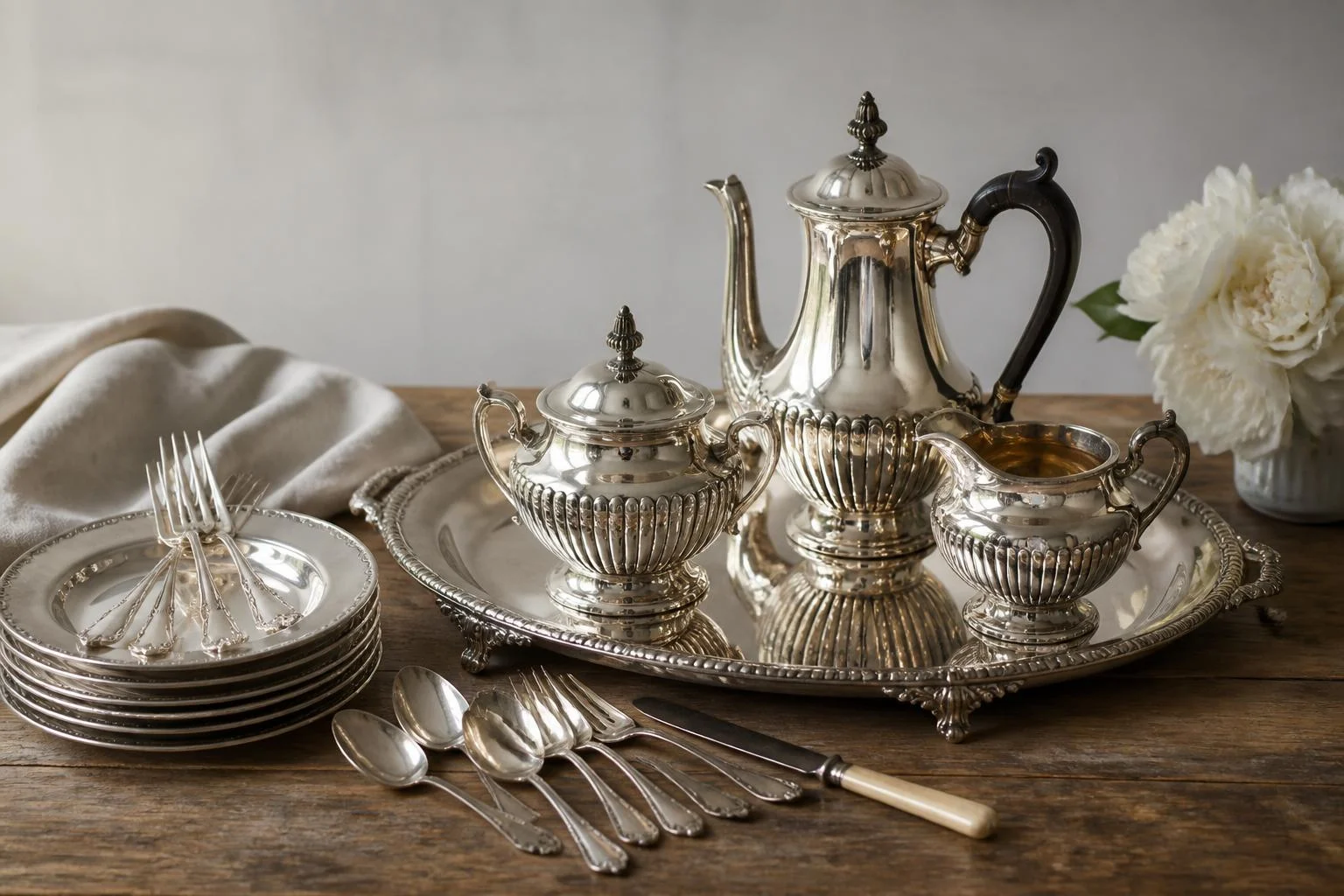
Antique Value Guide
Antique Silver Appraisal: 7 Clues That Reveal Value
Learn how an antique silver appraiser checks marks, weight, pattern, and condition to estimate antique silver value and price.
If you want a quick first read on an object’s worth, an antique silver appraiser looks at a few core clues: hallmarks, maker, pattern, weight, condition, and whether the piece is solid silver or silver plate. Those details usually tell you more than age alone. The fastest way to estimate antique silver value is to confirm what the object actually is before comparing it to recent sales.
That matters because antique silver price can change a lot based on whether you have a spoon, pitcher, tray, candlestick, or complete service. A small dent or a worn monogram can also move the number up or down. Use the clues below to narrow it down before you ask for a formal opinion.
1) Start with the marks, but read them carefully
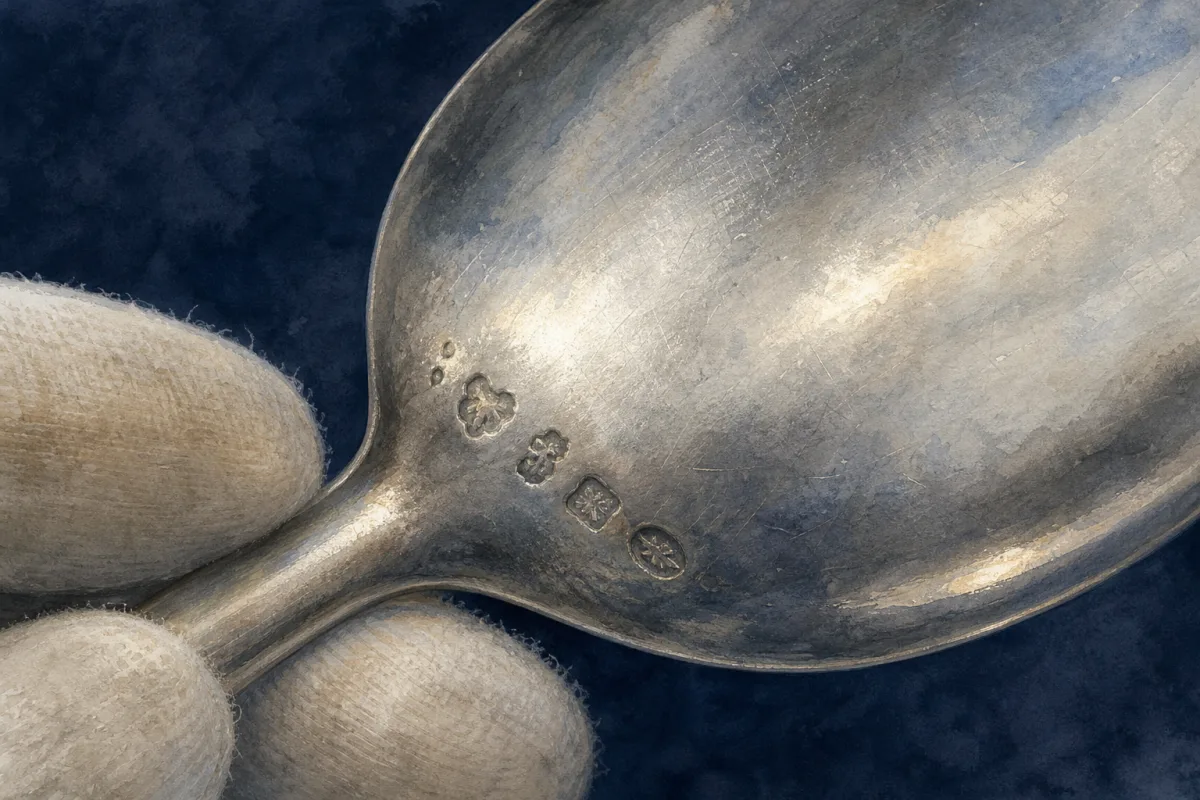
The first thing an antique silver appraiser checks is the mark on the underside, back, or rim. Look for sterling marks, maker names, country marks, date letters, and any words that indicate plating. Common clues include “STERLING,” “925,” “800,” and “EPNS” or “silverplate.”
Do not assume every old-looking mark is genuine. Some pieces were heavily worn, repaired, or marked for marketing rather than purity. If the mark is unclear, take a clear photo in daylight and compare it with known reference resources or a qualified appraiser.
- Sterling or 925: usually higher value than plate
- 800: lower silver content than sterling, but still precious metal
- Silverplate / EPNS: value is often based more on design and condition
- Maker’s name: can raise value if the firm is collectible
2) Identify the object type before guessing the price
A spoon, serving tray, pitcher, cigarette case, and candlestick all sell differently even if they share the same silver mark. That is why antique silver value depends on use, demand, and size, not just purity. A heavy centerpiece or a rare form can outperform a more common flatware piece.
If you are working through a mixed household collection, separate the pieces first. Then group them by category: flatware, holloware, decorative items, and table accessories. If you have flatware specifically, this related guide may help: Antique Silverware Appraisal: 7 Clues to Spot Real Value.
Common silver categories and what affects value
| Item type | What matters most | Typical value driver |
|---|---|---|
| Flatware | Pattern, completeness, maker | Set size and condition |
| Pitchers / teapots | Form, weight, dents, handles | Design and silver content |
| Candlesticks | Base stability, wear, repairs | Matching pairs and quality |
| Serving trays | Size, engraving, plating loss | Decorative demand |
| Boxes / cases | Original fittings, hinges, dents | Rarity and craftsmanship |
3) Check weight, but don’t overvalue heft alone
Heavier silver items often contain more metal, but weight alone does not determine antique silver price. A thick but common plated tray may be worth less than a smaller sterling piece from a desirable maker. Weight matters most when you are separating solid silver from hollow construction or estimating melt-related baseline value.
If the item feels unusually light for its size, it may be silverplate or have a thin shell over another material. Also check whether bases, liners, or handles are attached with different materials. Mixed construction is common and can affect appraisal results.
4) Study condition like a buyer would
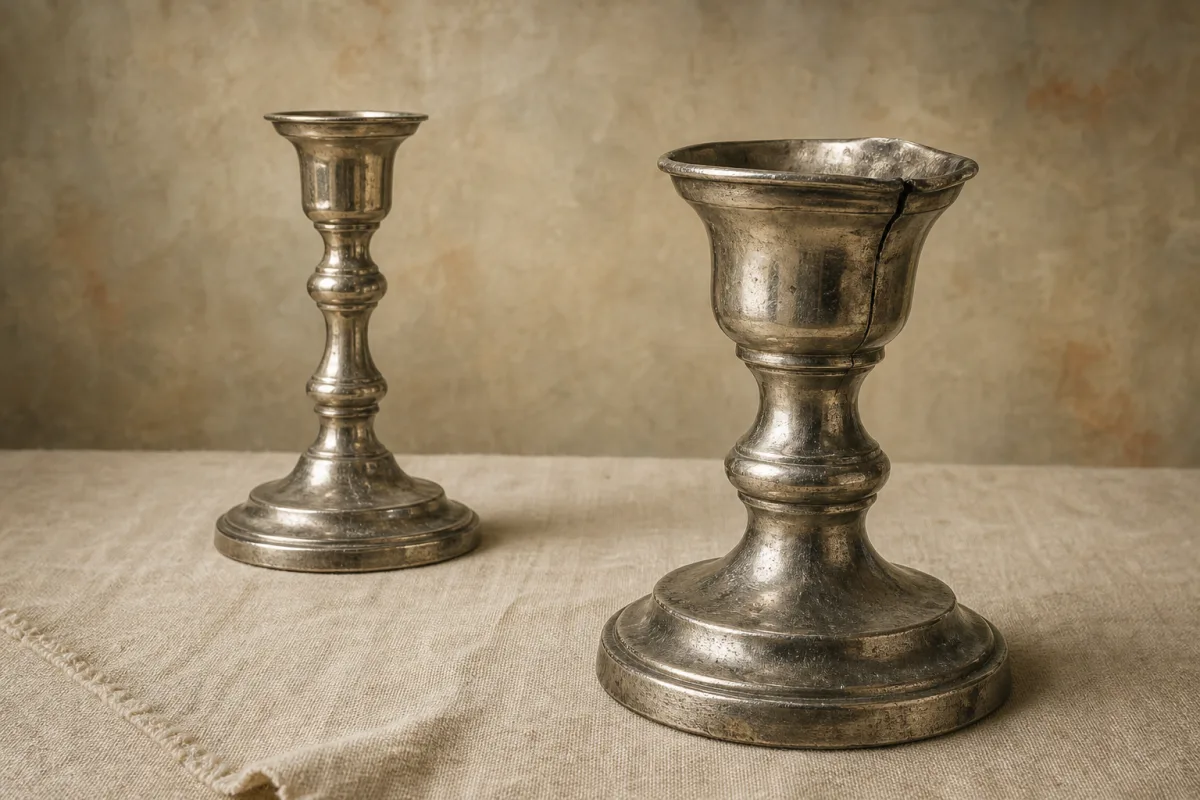
Condition can make a bigger difference than many owners expect. Light surface scratches are normal on antique silver, but deep dents, bent rims, missing lids, broken handles, and aggressive polishing can reduce value. Over-polishing can soften marks and blur crisp detail, which hurts both authenticity checks and resale appeal.
- Look for splits at seams and solder repairs
- Check if feet, lids, or handles are original
- Inspect monograms, engraving, and chased detail
- Note dark tarnish versus irreversible damage
Collectors often prefer original character, but buyers still want structural integrity. A clean, stable piece usually sells better than one that looks “restored” but has lost details.
5) Compare maker and pattern demand
Two pieces with the same silver content can have very different market outcomes. Maker reputation, pattern popularity, and whether the item is part of a known line can all influence antique silver value. Some makers are collected for craftsmanship; others are valued mainly for metal and form.
Pattern completeness is especially important for flatware and tea services. A single fork from a popular pattern is one thing; a complete matching service is another. If you are comparing a decorative silver object, broader antique appraisal context can also help, such as Antique Appraisal Services: 7 Clues to Figure Out What Your Item Is Worth.
6) Use recent comparable sales, not wishful thinking
The best way to estimate antique silver price is to compare your item with similar pieces that actually sold recently. Focus on sold listings, auction results, or dealer inventory that matches your object type, size, maker, and condition. Ask yourself whether the comparison is truly close or only vaguely similar.
Good comparisons usually match these points:
- Same object type
- Same metal or plating status
- Similar maker or pattern
- Comparable age and condition
- Similar size and completeness
If you cannot find a close comparison, do not force the estimate. That is usually when a qualified antique silver appraiser becomes most useful.
7) Watch for the details that create a premium
Some features can raise value, but only when they are genuine and well preserved. A rare form, an important maker, a documented provenance, or an especially complete matching set may attract stronger interest. Monograms are a mixed case: some buyers like them, while others prefer unengraved pieces.
Premium factors can include:
- Known maker with strong collector demand
- Rare form or unusual serving piece
- Matched set with original pieces intact
- Clear provenance or family history
- Fine handwork, crisp decoration, and strong proportions
For comparison, items like vintage lighting and furniture follow the same logic: condition, maker, and originality often matter more than age alone. You can see that approach in Antique Lighting Appraisal: 7 Clues That Reveal Real Value and Antique Furniture Appraisal: How to Check What It Is Worth.
Quick value checklist before you ask for an appraisal
Use this short checklist to organize what you have before contacting an antique silver appraiser:
- Take clear photos of the front, back, base, and marks
- Write down dimensions and weight if available
- Note any visible marks, engraving, or repairs
- Separate sterling from plated pieces if you are unsure
- Look for matching pieces or missing parts
- Compare with sold examples, not asking prices
- Save any family notes, receipts, or provenance
When a professional opinion is worth it
If the piece might be sterling, rare, or part of a set, a professional review can save time and help you avoid a bad sale. That is especially true for inherited items, mixed lots, or objects with unclear marks. If you only need a fast first pass, a digital identifier can help you organize the item before you decide whether to get a full appraisal.
For a softer starting point, you can also use the Antique Value Identifier app here: Antique Value Identifier. It is a practical first step when you want to sort, photograph, and compare antiques before reaching out to a specialist.
FAQ
How can I tell if my silver is sterling or silverplate?
Check for marks such as “STERLING,” “925,” or “800.” Silverplate often shows “EPNS,” “silverplate,” or no purity mark at all. When the mark is unclear, look at weight, wear patterns, and how the object was constructed.
Does tarnish lower antique silver value?
Light tarnish usually does not hurt value much. Deep scratches, dents, broken parts, or over-polishing are more likely to reduce it. Many buyers expect some age-related tarnish on genuine antique silver.
What hurts antique silver price the most?
Missing parts, repairs, worn marks, and heavy damage are the biggest issues. A common pattern, weak maker demand, or silverplate construction can also limit value even if the piece looks attractive.
Should I clean silver before getting it appraised?
Only gently remove surface grime if needed. Avoid harsh polish or abrasive cleaning, because it can remove detail and make marks harder to read. When in doubt, photograph the item as found and let the appraiser advise you.
Final takeaway
A good antique silver appraiser does not guess from age alone. They check the marks, construction, condition, and market demand together. If you follow those same clues, you will have a much better idea of your antique silver value before you sell, insure, or keep it.
If you want a simple next step, start with photos and notes, then use the app as a first pass before seeking a specialist opinion. That approach usually gives you a more realistic antique silver price range and fewer surprises.
Try the Idar app
Use the app when you want a faster, more organized starting point before comparing details manually.