Antique Value Guide
Antique Lamp Appraisal: 7 Clues That Reveal Real Value
Learn how to do an antique lamp appraisal with 7 practical clues, a value checklist, and tips for spotting condition, maker marks, and style.
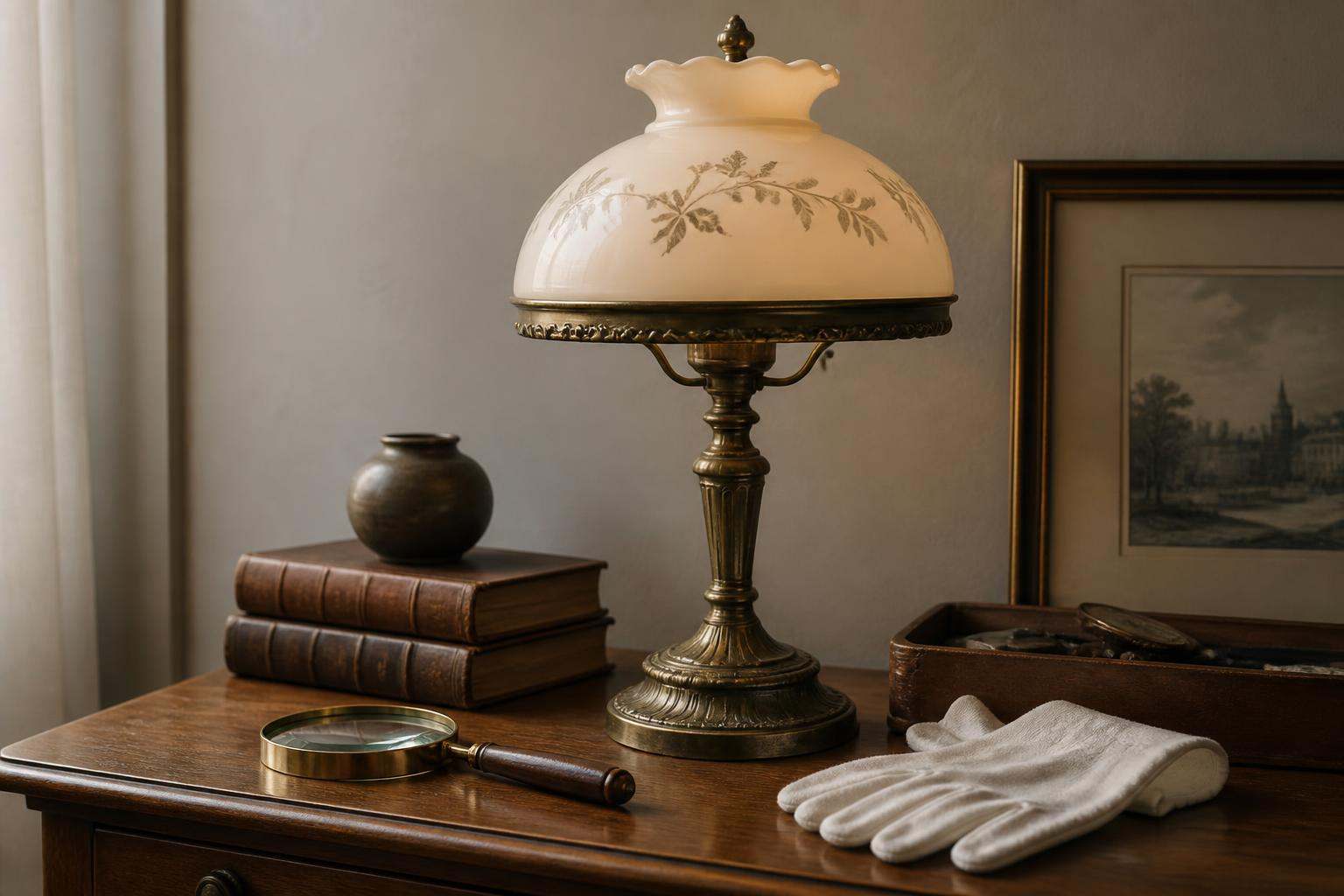
If you own an old table lamp, floor lamp, or decorative boudoir lamp, the first question is usually the same: what is it worth? A careful antique lamp appraisal starts with a few practical checks—style, materials, wiring, maker marks, and condition. Those clues can tell you whether you have a common vintage lamp, a collectible design, or a higher-value piece worth deeper research.
This guide walks through the main signs to look for, plus a simple value checklist you can use before you contact a specialist or compare listings. If your lamp has a known design influence, such as a Tiffany-style shade, it helps to narrow the search and compare it to similar examples, like this Tiffany Lamp Appraisal: How to Check What It Is Worth.
1. Start with the lamp’s style and overall design
Style is often the fastest way to narrow down age and likely value. An antique lamp appraisal usually begins by identifying whether the lamp fits a common period such as Victorian, Art Nouveau, Mission, Art Deco, or mid-century modern.
Look at the silhouette and decorative details:
- Curved brass arms and ornate bases often suggest older decorative styles.
- Simple geometric lines may point to early 20th-century or mid-century design.
- Heavy cast metal bases can indicate desk lamps or library lamps.
- Hand-painted glass shades may signal a more collectible decorative lamp.
The style does not prove age by itself, but it gives you a starting point for a vintage lamp appraisal and helps you compare your lamp to similar documented examples.
2. Check the materials carefully
Materials matter because they often separate a modest lamp from a more desirable one. Original bronze, brass, spelter, marble, and quality glass can be more appealing than later replacements or mass-produced parts.
| Material clue | Why it matters | What to look for |
|---|---|---|
| Brass or bronze | Often found on older decorative lamps | Weight, patina, and natural wear |
| Cast metal | Can indicate early production or common reproduction | Seams, casting marks, and finish quality |
| Glass shade | May raise value if original and well-made | Irregularity, thickness, and matching fitter |
| Marble or stone base | Can add weight and visual appeal | Cracks, repairs, and edge wear |
| Wood components | Should be inspected for replacement or damage | Finish wear and old screw holes |
Be careful not to assume a lamp is high value just because it is heavy. A solid-feeling base can still be a common later piece. For antique lamp price guide research, material quality should be considered together with age, maker, and condition.
3. Look for maker marks, labels, and stamps
Any signature, label, or stamp can make an appraisal much easier. Turn the lamp over, check the base, socket, harp, switch area, and underside of the shade if it has a frame or fitter. Markings may be small and worn, so use good light and a magnifier.
Useful clues include:
- Company names or initials
- Patent dates
- Model numbers
- Paper labels or remnants of labels
- Electrical part markings from the socket or plug
Do not create or add your own marks when researching. If you want a broader overview of how makers’ marks fit into appraisal work, see Furniture Maker Marks: 7 Best Antique Clues. The same careful approach applies to lamps: record what is actually present, and compare it against reliable references.
4. Inspect the wiring, socket, and hardware
For an antique lamp appraisal, electrical parts tell two stories at once: safety and originality. Rewired lamps are common, and rewiring does not automatically lower value. In fact, a safe, professional rewire can make a lamp more usable. But replaced parts can affect originality, especially for collectible designs.
Check the following:
- Socket style and age consistency
- Condition of cloth cord, plug, and switch
- Signs of brittle insulation or modern replacement parts
- Whether the hardware matches the rest of the lamp
If the wiring looks old, damaged, or unsafe, do not plug it in before inspection. A lamp appraisal should include both appearance and safety. If you are unsure how to separate a repair from an original feature, a general Antique Appraisal Services: 7 Clues to Figure Out What Your Item Is Worth resource can help you understand the overall process.
5. Assess condition honestly
Condition is one of the biggest drivers of value. Even a desirable antique lamp can lose a lot of appeal if it has a cracked shade, bent harp, missing finial, repaired base, or corroded finish.
When evaluating condition, note:
- Cracks, chips, and hairline breaks
- Repairs to the base, neck, or shade
- Missing parts, especially finials and original shade components
- Worn plating, oxidation, or pitting
- Non-original paint or touch-ups
A lamp with honest age wear can still be attractive. The key is whether the wear is stable and expected, or whether the piece has major losses. For a vintage lamp appraisal, original completeness often matters as much as age.
6. Compare the lamp to sold examples, not asking prices
One of the most common mistakes in a lamp appraisal is comparing your piece to high asking prices that never actually sold. Instead, search completed listings, auction results, and dealer archives for lamps with the same style, maker, material, and condition.
When comparing examples, try to match:
- Similar base material and height
- Same shade type or original shade presence
- Similar maker or production period
- Comparable condition and repairs
A simple antique lamp price guide approach is to group comparable lamps into three buckets: similar but weaker condition, similar condition, and stronger condition. That gives you a more realistic range than a single headline price.
7. Decide whether the lamp is decorative, collectible, or specialty
Not every old lamp belongs in the same value category. Some are decorative household items, while others are collectible design pieces or specialty lamps with stronger demand. The difference often comes from maker, originality, and rarity.
Here is a practical way to think about it:
- Decorative vintage lamp: attractive, usable, but relatively common
- Collectible lamp: identifiable maker, stronger design interest, better original parts
- Specialty lamp: unusual form, desirable shade, or notable design association
If your piece feels more substantial or design-driven than a standard household lamp, a focused lamp appraisal may be worthwhile. Lamps with strong design links are often researched in narrower categories, just like a certified specialist would do for other antiques.
Antique lamp value checklist
Use this quick checklist before you request an appraisal or compare listings:
- Photograph the lamp from all sides, including the top, base, socket, and underside.
- Write down measurements, materials, and any visible marks.
- Note whether the shade, finial, and hardware appear original.
- Check for cracks, repairs, corrosion, or missing parts.
- Test only if it appears safe; otherwise leave it unplugged.
- Search sold examples that match style and maker, not just similar color.
- Save any old receipts, family notes, or provenance details.
If you are cataloging several household antiques at once, a broader overview can help you build a repeatable method. This is similar to the approach used in Certified Antique Appraiser: 7 Clues That Reveal Real Value, where condition, authenticity, and documentation all work together.
FAQ: Antique lamp appraisal basics
What makes an antique lamp valuable?
Value usually comes from a combination of age, original parts, quality materials, maker identification, and condition. A lamp with a desirable design and intact shade often performs better than a similar lamp with repairs or missing components.
Is a vintage lamp appraisal the same as an antique lamp appraisal?
Not always. “Antique” usually implies older than 100 years, while “vintage” can include later collectible pieces. In practice, both require checking style, construction, marks, and condition before estimating worth.
Should I clean my lamp before appraisal?
Light dusting is fine, but avoid polishing, repainting, or aggressive cleaning before you document it. Heavy cleaning can remove patina, labels, or evidence that helps with identification.
Can a replaced shade lower the value?
Yes, sometimes. A replaced shade may reduce originality and collector interest. However, if the lamp is decorative and the shade suits the piece well, the impact may be smaller than for a highly collectible model.
How do I get a better value estimate?
Gather clear photos, measurements, any marks, and notes about condition. Then compare sold examples and use an app or identification tool to organize the details before seeking a professional opinion.
Final thoughts
A careful antique lamp appraisal does not start with a guess. It starts with the lamp’s style, materials, marks, wiring, condition, and comparison to sold examples. Once you know those basics, you can usually tell whether you have a common vintage piece, a collectible lamp, or something worth a deeper expert review.
If you want a simple way to organize photos and notes while you research, you can explore the Antique Value identifier app here: Antique Value on the App Store. It can help you keep your research tidy before you decide on the next step.
Try the Antiquevalue app
Use the app when you want a faster photo-based check before comparing details manually.